Showing posts with label #Birdsong. Show all posts

Tuesday, April 1, 2025

Landscaping for a Sustainable Future: Practices Industries Should Avoid to Combat Climate Change and Enhance Employee Well-being


In India, industries stand to gain a range of environmental and economic benefits by establishing dedicated green zones and even developing small forests on their premises. However, the current trend in landscaping—largely driven by conventional gardening and landscape contracting practices—often relies on non-native plant species that are ill-suited to local water balance and environmental conditions. This approach typically results in expansive, water-intensive lawns and meticulously trimmed hedges that not only strain water resources but also fall short in fostering resilient ecosystems.

Recent studies underscore that native plants are far more efficient; for example, research published in the Indian Journal of Ecology indicates that native vegetation can reduce water consumption by as much as 30–40% compared to exotic species. These indigenous species are inherently adapted to local climatic conditions, require less maintenance, and support the native flora and fauna—thereby enhancing biodiversity and bolstering natural resilience against climate change. Additionally, a report by the Indian Ministry of Environment highlights that integrating native greenery into industrial spaces can lower urban temperatures by 2–3°C and contribute to significant reductions in water usage.

By shifting from traditional, non-native landscaping practices to the thoughtful use of indigenous plants, industries can not only create aesthetically pleasing environments but also promote sustainability, conserve water, and actively contribute to the fight against climate change. This paradigm shift in green infrastructure is essential for building eco-friendly industrial spaces that support local ecosystems and offer long-term economic and environmental advantages.

Industries in India have a unique opportunity to enhance their sustainability and operational efficiency by developing forests within their premises, extending beyond the obligatory green zones. This initiative not only contributes to environmental conservation but also offers tangible benefits to the industries themselves.​6

Industries aiming to mitigate climate change and enhance employee well-being should be mindful of certain landscaping practices that can inadvertently contribute to environmental degradation and reduce the quality of the workplace environment. Here are key landscape features to avoid:​

1. Extensive Impervious Surfaces

Large expanses of concrete or asphalt increase surface runoff, leading to water pollution and elevated flood risks. These materials also contribute to the urban heat island effect, raising local temperatures and increasing cooling costs. Replacing unnecessary concrete surfaces with permeable materials like decomposed granite, local stone, or wood pavers can mitigate these issues. 7

2. Non-Native, High-Maintenance Plantings

Utilizing non-native plant species often requires increased water, fertilizers, and pesticides, straining local resources and potentially harming native ecosystems. Prioritizing native plants adapted to the local climate reduces maintenance needs and supports biodiversity.

3. Monoculture Plantings

Landscapes dominated by a single plant species are more susceptible to pests and diseases, which can lead to increased chemical use and maintenance efforts. Implementing diverse plantings enhances ecosystem resilience and reduces the need for chemical interventions.

4. Lack of Shaded Areas

Open spaces without adequate tree cover or shading structures can lead to elevated ground temperatures, making outdoor areas uncomfortable for employees and contributing to heat stress. Incorporating shade systems and green infrastructure can significantly improve thermal comfort in these spaces.English

5. Over-Illuminated Outdoor Spaces

Excessive outdoor lighting not only increases energy consumption but also contributes to light pollution, which can disrupt local wildlife and negatively impact human circadian rhythms. Implementing energy-efficient lighting designs that minimize light spill can address these concerns.

6. Neglecting Stormwater Management

Landscapes that do not effectively manage stormwater can contribute to erosion, water pollution, and increased flood risks. Integrating features like rain gardens, bioswales, and permeable pavements can enhance stormwater infiltration and quality.

By avoiding these detrimental landscaping practices, industries can create environments that not only contribute positively to climate change mitigation but also promote the health and well-being of their employees.

Which Industries Should Develop On-Site Forests?

A wide array of industries can benefit from integrating forests into their landscapes, including:

  • Manufacturing Units: To offset carbon emissions and improve air quality.

  • IT Parks: To create healthier work environments and reduce the urban heat island effect.

  • Chemical Plants: To act as bio-filters, mitigating pollution.

  • Textile Industries: To manage water runoff and improve groundwater recharge.

How Can Industries Develop These Forests?

The process involves strategic planning and collaboration:

  1. Assessment: Evaluate available land and environmental conditions.

  2. Planning: Design the forest layout, focusing on native species selection.

  3. Collaboration: Engage local nurseries, small-scale gardeners, and planting contractors for implementation.

  4. Maintenance: Establish a long-term care plan involving trained professionals.

Why Should Industries Invest in On-Site Forests?

The advantages are multifaceted1:

  • Environmental Impact: Enhances biodiversity, improves air quality, and aids in carbon sequestration.

  • Economic Benefits: Well-managed urban forests can increase property values and attract potential buyers, contributing to the overall growth of the real estate market.2

  • Regulatory Compliance: Aligns with environmental regulations and corporate social responsibility goals.

When Is the Optimal Time to Initiate Forest Development?

The ideal time is now. With increasing environmental concerns and regulatory pressures, early adoption positions industries as leaders in sustainability.

What Challenges Exist and How to Overcome Them?

A significant challenge is the prevalent use of non-native plant species in industrial landscaping. These species often disrupt local ecosystems and fail to support native wildlife. For instance, the introduction of Lantana camara in 1807 has led to extensive ecological damage in Indian forests, outcompeting native vegetation and disrupting habitats.3

Recommendations:

  • Prioritize Native Species: Utilize indigenous plants that are adapted to local conditions, require less maintenance, and support native fauna.

  • Educate and Train Landscapers: Provide training to gardening staff on the benefits of native planting and sustainable landscaping practices.

  • Monitor and Adapt: Regularly assess the health of the developed forests and adapt management practices as needed.

By thoughtfully integrating native forests within their premises, industries can play a pivotal role in environmental stewardship, enhance their operational sustainability, and contribute meaningfully to combating climate change.

What is an Urban Forest?

An urban forest encompasses all trees and woody vegetation within urban areas, including those in parks, streets, gardens, and industrial premises. These green spaces are integral to urban ecosystems, offering benefits such as improved air quality, temperature regulation, and enhanced biodiversity. ​4

Types of Urban Forests Suitable for Industrial Development:

  1. Street Trees: Planting rows of trees along internal roads and pathways within industrial complexes can provide shade, reduce dust, and improve air quality. These trees enhance the aesthetic appeal and create a more pleasant working environment.

  2. Green Buffers: Establishing dense tree plantations around the perimeter of industrial sites acts as a buffer zone. These green belts can mitigate noise pollution, block unsightly views, and serve as windbreaks, contributing to a healthier microclimate.

  3. Green Roofs and Living Walls: Integrating vegetation on rooftops and vertical surfaces of industrial buildings can reduce heat absorption, improve insulation, and enhance biodiversity. These installations contribute to energy efficiency and provide additional green space in constrained areas. ​5

  4. Pocket Parks: Small, strategically placed green spaces within industrial premises offer employees areas for relaxation and recreation. These parks can improve mental well-being and foster a connection with nature.

  5. Retention and Creation of Natural Habitats: Preserving existing natural areas or creating new habitats within industrial lands supports local wildlife and maintains ecological balance. Such initiatives demonstrate corporate responsibility towards environmental stewardship.

By implementing these types of urban forests, industries can transform their premises into greener, more sustainable spaces that benefit both the environment and their workforce.

  1. Mongabay-India+3GKToday+3Synopsis IAS+3
  2. Nelda+1Mongabay-India+1
  3. Latest news & breaking headlines
  4. Cities4Forests
  5. Forestry
  6. Drishti IAS+4Synopsis IAS+4Cities4Forests+4
  7. THE DIRT


Wednesday, September 11, 2024

Silent Cities: How selective planting is dimming the songs of Birds

Introduction:

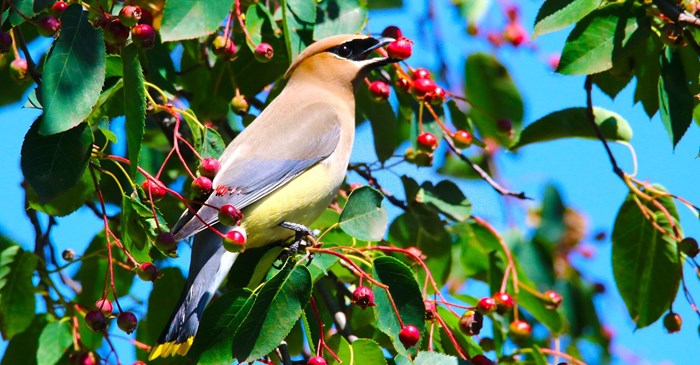
In the modern urban jungle, the soothing symphony of bird songs has become an increasingly rare melody. While cities are adorned with lush greenery and carefully curated landscapes, there's a hidden cost to the emphasis on ornamental beauty: the silence of our feathered friends. Selective horticultural practices that prioritize aesthetic appeal over ecological balance are contributing to the decline of bird populations in cities. Yet, there’s hope. By embracing sustainable landscape practices and mindful design, we can restore the harmony of bird songs in our urban environments.

  • Habitat loss and fragmentation: When natural habitats are replaced with selectively planted landscapes, birds may lose their native environments, leading to reduced populations and less singing.
  • Limited food sources: Selective planting can result in a lack of diverse food sources, making it harder for birds to survive and sing.
  • Reduced nesting sites: With fewer native plants, birds may struggle to find suitable nesting sites, affecting their ability to reproduce and sing.
  • Increased noise pollution: Selective planting can lead to more human activity, generating noise that drowns out bird songs.
  • Changes in bird behavior: Altered landscapes can cause birds to adapt their behavior, potentially reducing singing activity.


As we strive to create beautiful and functional outdoor spaces, we often overlook the impact of our planting choices on the natural world. Selective planting, where specific plants are chosen for their aesthetic or practical value, can have far-reaching consequences for local bird populations. One of the most striking effects is the decline of bird songs, a cherished aspect of nature that brings joy and serenity to our lives.

Habitat Loss and Fragmentation

When natural habitats are replaced with selectively planted landscapes, birds lose their native environments, leading to reduced populations and less singing. A study published in the journal Landscape Ecology found that urbanization and habitat fragmentation can lead to a decline in bird species richness and abundance (1). By planting a diverse range of native species, we can help preserve habitats and support thriving bird communities.


Limited Food Sources

Selective planting can result in a lack of diverse food sources, making it harder for birds to survive and sing. Birds rely on specific plants for food, shelter, and breeding grounds. A study in the Journal of Applied Ecology found that bird populations are influenced by the availability of food resources, particularly insects and seeds (2). By incorporating native plants that provide a variety of food sources, we can support bird populations and encourage singing.


Reduced Nesting Sites

With fewer native plants, birds may struggle to find suitable nesting sites, affecting their ability to reproduce and sing. A study published in the journal Biological Conservation found that nesting success is influenced by the availability of suitable nesting sites (3). By planting native vegetation, we can provide birds with the resources they need to thrive.


Increased Noise Pollution

Selective planting can lead to more human activity, generating noise that drowns out bird songs. A study in the journal Environmental Research Letters found that noise pollution can have negative impacts on bird behavior and communication (4). By creating quiet spaces and minimizing human disturbance, we can help birds sing freely.


Changes in Bird Behavior

Altered landscapes can cause birds to adapt their behavior, potentially reducing singing activity. A study published in the journal Animal Behaviour found that birds may adjust their singing behavior in response to environmental changes (5). By creating landscapes that support natural behavior, we can encourage birds to sing.


The Impact of Selective Planting:

Urban landscaping often leans towards choosing plants that enhance visual appeal—those with vibrant flowers, neatly pruned shrubs, and exotic trees that fit the city's image of modern beauty. However, this selective approach neglects the needs of local wildlife, particularly birds.

Birds rely on specific types of vegetation for food, shelter, and nesting. Native plants produce the fruits, seeds, and insects that are crucial to their diet. But when cities replace native flora with exotic species or overly ornamental plants that offer little ecological value, birds lose vital resources. The result? Fewer birds, less biodiversity, and a quieter city.

Sustainable Landscape Planting: The Solution

To reverse this trend, sustainable landscape planting must become a priority in urban design. Here’s how:

  1. Native Plant Selection: Native plants are adapted to the local climate and soil, requiring less maintenance and providing essential resources for birds. Incorporating these plants into urban landscapes supports not only birds but other wildlife like bees and butterflies, fostering a richer ecosystem.

    For inspiration on native plants that attract birds, check out guide on bird-friendly plants. Please find here a list of Native plants in India.

  2. Biodiverse Planting: Creating layers of vegetation with a mix of trees, shrubs, and ground cover mimics natural habitats, providing various food sources and nesting opportunities for birds. This approach creates a self-sustaining ecosystem that requires less human intervention.

    See examples of biodiverse urban landscapes here. [Link to images of biodiverse landscapes]

  3. Avoiding Monocultures: While it might be tempting to plant rows of the same tree or shrub for uniformity, monocultures can harm biodiversity. Diverse planting schemes not only support more wildlife but also enhance the resilience of the urban environment against pests and diseases.

    Explore the benefits of diverse planting. [Link to articles on the dangers of monocultures]

Addressing Root Zone Compaction:

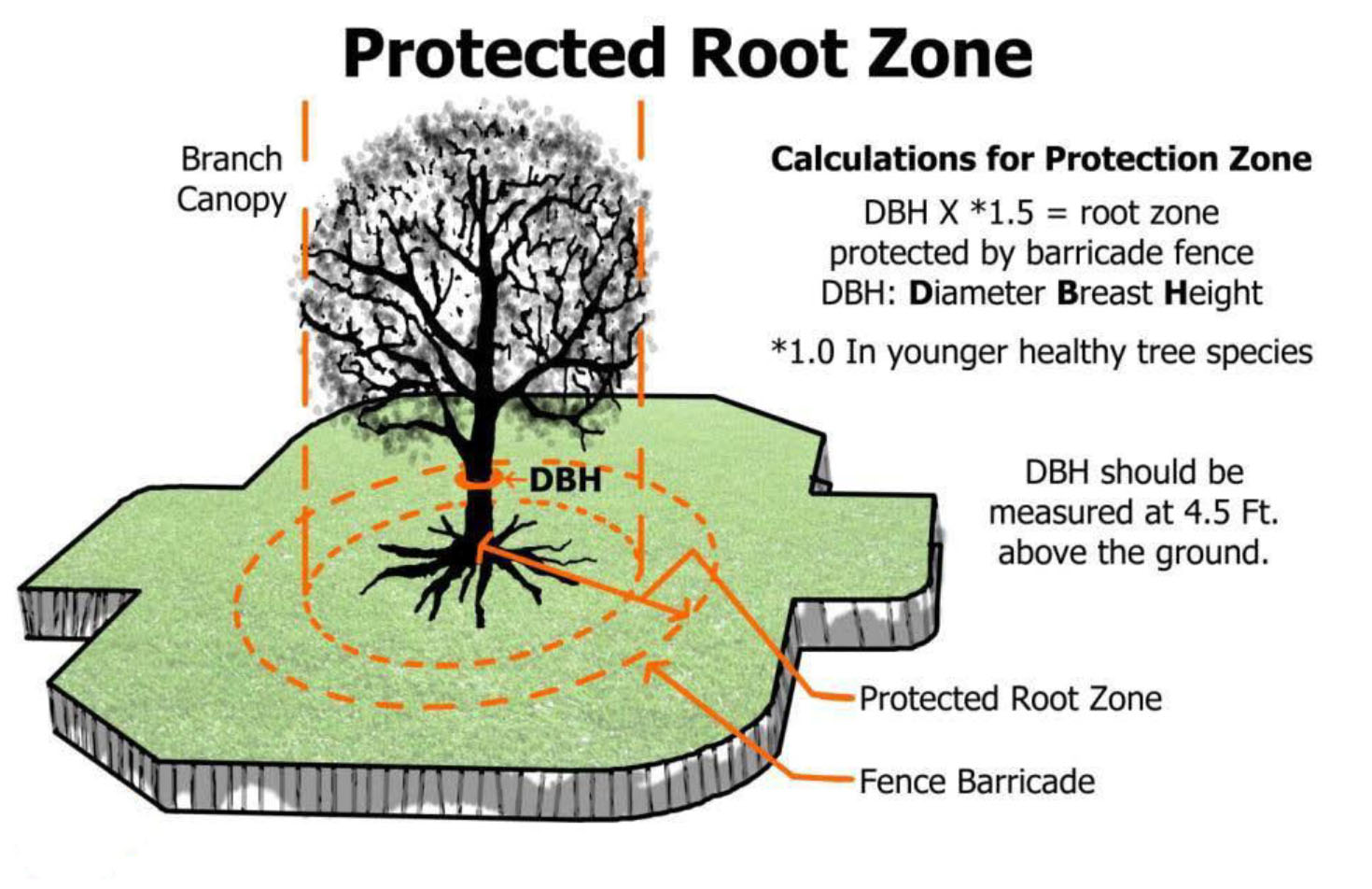
Beyond plant selection, the health of urban trees plays a crucial role in supporting bird populations. One of the most overlooked aspects of tree health is root zone compaction. In cities, the root zones of trees often suffer from compaction due to foot traffic, construction activities, and even the use of heavy machinery.

Compacted soil reduces the ability of tree roots to absorb water, oxygen, and nutrients, leading to weakened trees that are more susceptible to disease and less capable of providing the habitat that birds need. Sustainable design practices, such as using permeable paving materials and creating dedicated root zones, are essential in preventing compaction and ensuring that urban trees can thrive.

  • Permeable Paving: Using materials that allow water and air to reach the roots reduces compaction and supports healthier trees. It’s a simple change with a significant impact on urban greenery.


    Check out examples of permeable paving here.
    [Link to images of permeable paving designs]

  • Protected Root Zones: Designating areas around trees where foot traffic and construction are minimized can protect root systems from compaction. These zones can be integrated into the overall design of urban spaces, ensuring both functionality and ecological balance.


    Learn more about the importance of protecting root zones.
    [Link to Root zone protection]

The Role of Designers and Planners:

Urban designers and landscape architects play a pivotal role in reversing the decline of bird populations. By prioritizing ecological sustainability over mere aesthetics, they can create urban spaces that are not only beautiful but also teeming with life.

Educating stakeholders about the long-term benefits of sustainable planting and tree protection is key. Developers, city planners, and residents alike need to understand that a thriving urban ecosystem enhances the quality of life for everyone—not just birds.

Call to Action

As we design and manage our outdoor spaces, let's consider the impact on bird populations and their songs. By incorporating native plants, reducing noise pollution, and preserving natural habitats, we can create landscapes that support thriving bird communities. Let's work together to create a world where bird songs continue to fill the air.

Conclusion:

The silence of bird songs in cities is a warning sign, but it’s not too late to restore the balance. By shifting away from purely aesthetic-focused planting and adopting sustainable landscape practices, we can bring back the natural melodies that make our urban environments more vibrant and alive. Every tree planted with care, every plant chosen for its ecological value, and every effort to protect our urban greenery contributes to a future where cities and nature coexist harmoniously.

References:

(1) Landscape Ecology, "Urbanization and habitat fragmentation: A review of the evidence"

(2) Journal of Applied Ecology, "Food availability and bird populations"

(3) Biological Conservation, "Nesting success and habitat quality"

(4) Environmental Research Letters, "Noise pollution and bird behavior"

(5) Animal Behaviour, "Bird song and environmental change"


Further Reading: 

Habitat fragmentation and urbanization can have a wide range of negative effects on the environment, including: 
 
  • Reduced biodiversity
    Habitat fragmentation can reduce biodiversity by 13–75%. The effects are most pronounced in small, isolated fragments, and worsen over time. 
     
  • Ecosystem damage
    Habitat fragmentation can harm ecosystem functions by reducing biomass and altering nutrient cycles. 
     
  • Barrier effects
    Urbanization can create barriers that prevent organisms from moving around, which can reduce ecological connectivity. 
     
  • Increased risk of disease
    Habitat fragmentation can bring wild animal populations closer to domesticated animals, which can lead to the spread of disease. 
     
  • Species extinction
    Habitat fragmentation can cause the extinction of many species. 
     
  • Historical influences
    Land-use history can strongly influence the current distribution of fragments and the condition of the ecosystems within them. 
     
Habitat fragmentation and its lasting impact on Earth's ...
Habitat fragmentation is the process by which large habitats are broken up into smaller, isolated patches. It can be caused by geological processes or human activities, such as land conversion. Urbanization is a major cause of habitat fragmentation, as it can lead to the reduction and fragmentation of natural habitats.

My Experiences & Lessons: Proven Biodiversity ROI Data

  GREENSCAPE DESIGNZ Landscape Architecture   |   EmOLscape Solutions   |   Masterplan Design   BLOG   |   EmOLscape Pillar: Risk ...