Showing posts with label landscape engineers. Show all posts

Tuesday, August 6, 2024

Transform Your Space: How Sustainable Landscape Design Reduces Stress for Property Owners

 Introduction

Imagine stepping out into your garden and feeling an immediate sense of calm wash over you. The birds are singing, a gentle breeze rustles through the trees, and a tranquil water feature adds a soothing background melody. This isn't a luxury reserved for dream vacations; it can be your everyday reality with sustainable landscape design. In this post, we'll explore how this approach can significantly reduce stress for owners of farmhouses, large villas, estates, and resorts.


The Stress Epidemic

Stress is an all-too-common part of modern life. According to the American Institute of Stress, 77% of people experience physical symptoms caused by stress, while 73% report psychological symptoms. For property owners managing large estates or resorts, the pressures can be even greater. Maintenance issues, financial concerns, and the sheer size of the property can contribute to mental and physical stress.

The Science Behind Sustainable Landscape Design

Sustainable landscape design focuses on creating environmentally friendly and aesthetically pleasing outdoor spaces. But beyond beauty, numerous studies have shown that nature has a profound impact on our mental health. A study by the University of Exeter found that spending at least 120 minutes a week in nature is associated with good health and well-being.

Why Sustainable Design?

  1. Reduces Maintenance Stress: Sustainable landscapes are designed to be low-maintenance. By using native plants that thrive in your local environment, you can reduce the need for constant watering, fertilizing, and pruning. This means less time and effort spent on upkeep, giving you more time to relax and enjoy your surroundings.

  2. Promotes Physical Health: Working on a large property can be physically demanding. Sustainable design minimizes physical strain by creating efficient layouts and using materials that are easy to maintain. Raised garden beds, for example, reduce the need for bending and kneeling, making gardening more accessible and enjoyable.

  3. Enhances Mental Well-being: Nature has a calming effect on the mind. Features like water gardens, green roofs, and natural meadows provide serene environments that help reduce anxiety and promote relaxation. A study published in the journal Environmental Health Perspectives found that exposure to green spaces can lower the risk of stress-related conditions such as high blood pressure and depression.

How to Implement Sustainable Landscape Design

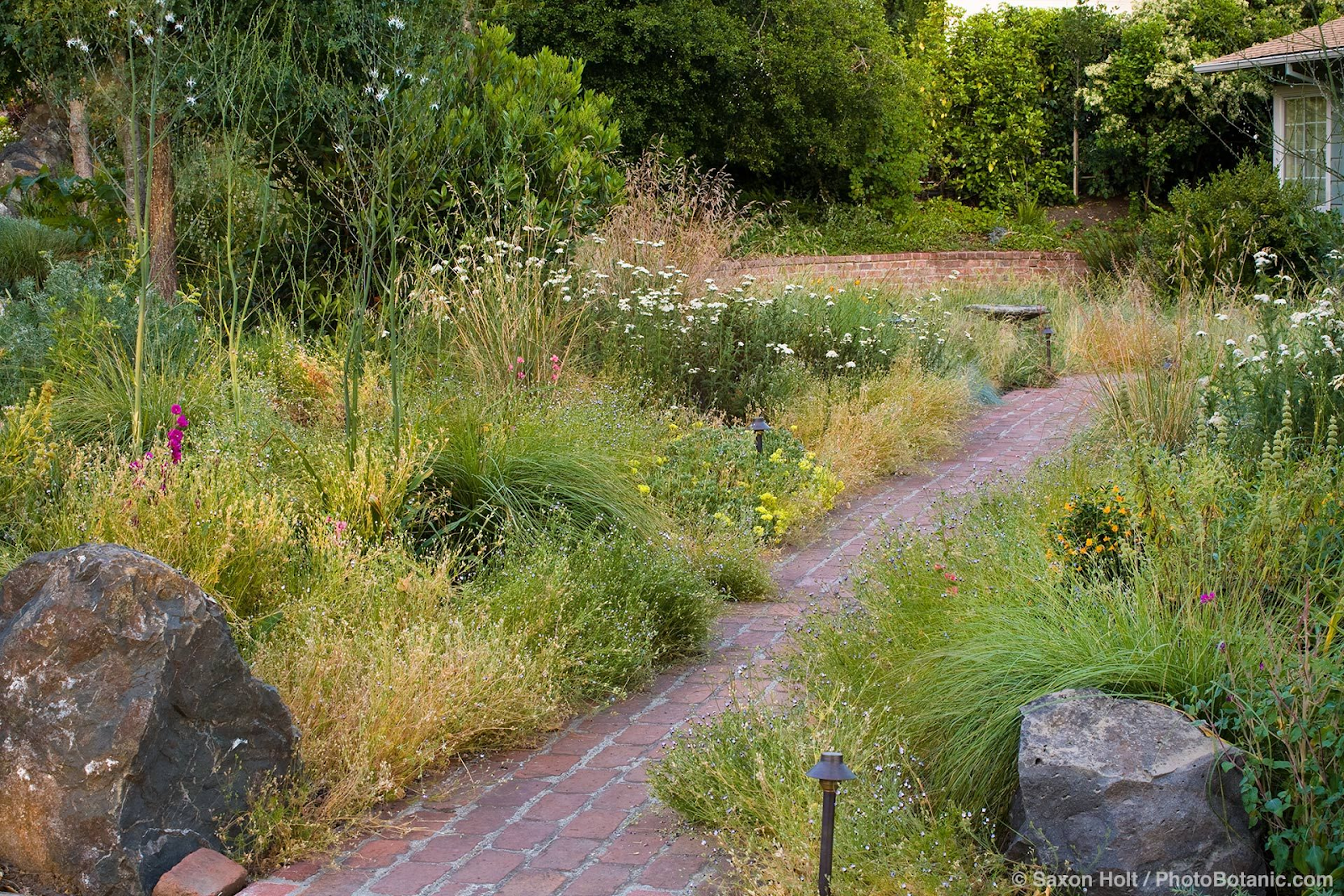
  1. Native Plants: Choose plants that are native to your region. These plants are adapted to the local climate and soil, requiring less water and maintenance. For example, if you own a property in a dry climate region, consider using drought-tolerant plants like lavender, sage.


    image credit: Pinterest.

  2. Water Features: Incorporate water features such as ponds, fountains, or waterfalls. The sound of flowing water has been shown to lower stress levels and create a peaceful ambiance. According to a study by the Journal of Environmental Psychology, natural water sounds can improve mood and cognitive performance.

  3. Outdoor Living Spaces: Create comfortable outdoor living areas where you can relax and entertain guests. Think of cozy seating arrangements, pergolas for shade, and outdoor kitchens for alfresco dining. A well-designed outdoor space encourages you to spend more time outside, reaping the benefits of fresh air and natural beauty.

  4. Edible Gardens: Growing your own food is both satisfying and stress-relieving. Edible gardens provide fresh, organic produce and give you a sense of accomplishment. Start with easy-to-grow vegetables like tomatoes, lettuce, and herbs. Not only will you enjoy the fruits of your labor, but gardening itself is a therapeutic activity.


    image credit: Pinterest.

Real-life Examples

  1. The Alnwick Garden in England: This 14-acre garden is a prime example of sustainable design. It features a poison garden with dangerous plants, a bamboo labyrinth, and water sculptures. The garden attracts over 800,000 visitors annually and demonstrates how sustainable practices can create a stunning and stress-relieving environment.

  2. The High Line in New York City: An urban park built on a historic freight rail line, the High Line integrates sustainable landscape design with native plants and reclaimed materials. It offers a green oasis in the middle of the city, providing residents and visitors with a place to unwind and connect with nature.

Conclusion

Sustainable landscape design is not just a trend; it's a proven way to enhance your property and reduce stress. By incorporating native plants, water features, outdoor living spaces, and edible gardens, you can create a sanctuary that promotes both physical and mental well-being. Whether you own a farmhouse, villa, estate, or resort, these principles can be adapted to suit your space and lifestyle.

Ready to transform your property into a stress-free haven? Start small, be patient, and enjoy the process. Your mind and body will thank you.

Call to Action

If you found this article helpful, share it with fellow property owners looking to create their own sustainable sanctuaries. For more tips and personalized advice, subscribe to our newsletter and follow us on social media. Together, let's build a greener, healthier future.

Tuesday, March 5, 2024

A quick guide in choosing the right person to take care of your landscaping or garden project.

Choosing the right professional for your garden or landscape project is crucial to achieving your desired outcome. Each specialist has a unique set of skills and focuses, making them suitable for different types of projects. Understanding what each professional brings to the table can help you make an informed decision. Here's a comparison of the roles and expertise of permaculturists, landscape designers, landscape architects, landscape engineers, horticulturists, and turnkey landscape contractors/vendors:

Choosing the Right Professional

  1. Project Scope: Larger, more complex projects may benefit from a landscape architect's expertise, while smaller, more focused projects might only need a landscape designer or horticulturist.
  2. Sustainability Goals: If sustainability and eco-friendliness are priorities, a permaculturist can offer valuable insights into creating a self-sustaining ecosystem.
  3. Technical Challenges: For projects with significant engineering challenges, such as poor drainage, steep slopes, or the need for retaining walls, a landscape engineer or a landscape architect with engineering expertise is essential.
  4. Plant Focus: If the main goal is to cultivate a specific type of garden, such as a native plant garden, vegetable garden, or a garden with rare plant species, a horticulturist's detailed knowledge of plants will be invaluable.
  5. Convenience: For clients seeking a hands-off approach, a turnkey landscape contractor/vendor can manage the entire project from conception to ongoing maintenance, though this may involve trade-offs in terms of customization and individual attention.
  6. Project Complexity and Scale: For large or complex projects involving multiple structures or technical challenges, a landscape architect or engineer may be necessary. For simpler projects or those focused on plant selection and garden design, a landscape designer or horticulturist might be more appropriate.
  7. Budget Considerations: Landscape designers and horticulturists can offer more cost-effective solutions for projects where budget constraints are a primary concern. Landscape architects and engineers, while more expensive, bring a level of expertise that might save money in the long term through efficient and sustainable design.
  8. Personal Involvement: If you prefer to be closely involved in the design process and enjoy making detailed decisions, working directly with a designer or horticulturist might suit you. If you prefer a hands-off approach, a turnkey landscape contractor who can handle everything might be the best choice.
  9. Regulatory Requirements: For projects that require navigating local regulations or obtaining permits, a landscape architect is often the most qualified professional to manage these aspects.

Understanding the specific roles, strengths, and limitations of various professionals in the field of landscaping can greatly assist clients in making informed decisions that align with their goals, desires, and budget. Below is a comparative analysis of landscape designers, landscape architects, landscape engineers, horticulturists, and turnkey landscape contractors/vendors, highlighting what each can offer to a landscaping project.

Professional

Pros

Cons

Capabilities

Permaculturist

—Focuses on sustainable, eco-friendly designs.

—Expertise in creating self-sufficient ecosystems.

—May not have formal training in aesthetics or structural aspects of landscaping.

—Clients interested in sustainable, low-maintenance gardens that support local ecology.

Landscape Designer

—Specializes in the aesthetic and functional design of gardens and outdoor spaces.

—Often more affordable than landscape architects.

—Good for smaller, less complex projects.

—May not have the qualifications to manage large-scale or highly technical projects.

—Usually does not handle the engineering or architectural aspects.

—Developing planting plans and layouts for gardens.

—Choosing materials for paths, patios, and other features.

—Providing clients with a vision of the finished landscape through sketches or 3D models.

— Small to medium residential projects where visual appeal and usability are the main goals.

Landscape Architect

—Professionally licensed to design a wide range of structures and landforms.

—Can manage large-scale and complex projects.

—Knowledgeable about local regulations and obtaining necessary permits.

—More expensive due to their extensive training and scope of work.

—May not be necessary for small, simple garden projects.

—Designing comprehensive outdoor spaces that may include buildings, roads, and other infrastructure.

—Addressing environmental and zoning issues.

—Coordinating with engineers and architects on projects.

Landscape Engineer

—Specializes in the technical aspects of landscape projects, such as drainage, irrigation, and structures.

—Ensures that designs are viable and sustainable.

—Can work on complex projects that require detailed engineering solutions.

—Focus is more on functionality and safety than on aesthetics.

—May not be involved in the planting or detailed design aspects.

—Solving grading and drainage issues.

—Designing irrigation systems and outdoor lighting.

—Ensuring that structures in the landscape are engineered for safety and durability.

—Projects that require significant alteration of the land or where technical challenges (like drainage problems) are a primary concern.

Horticulturist

—Expertise in plants and soil science.

—Can advise on plant selection, disease treatment, and maintenance for gardens.

—Ideal for projects focused on botanical diversity and health.

—May lack the design skills to plan the overall layout of a garden or outdoor space.

—Typically not involved in the construction or engineering aspects.

—Selecting appropriate plants for the climate and soil.

—Diagnosing and treating plant diseases and pests.

—Providing guidance on plant care and maintenance.

—Clients who want to focus on the health and selection of plants in their garden, including those with specific challenges or desires for unique botanical collections

Turnkey Landscape Contractor/Vendor

—Offers a one-stop solution, handling the project from design through to completion.

—Can be cost-effective and time-saving.

—Good for clients who prefer not to coordinate multiple professionals.

—Quality and expertise can vary widely.

—May outsource specific tasks to specialists, which could affect consistency.

—Some may prioritize speed or cost over quality.

—Providing a comprehensive range of services, including design, installation, and maintenance.

—Managing all aspects of the project, including sourcing materials and hiring subcontractors.

—Clients looking for a hassle-free process who are willing to entrust the entire project to one company.

—Offering warranty or support services post-completion.

When selecting a professional for your landscaping project, consider their portfolio of past projects, ask for references, reviews from previous clients, and ensure they have the necessary qualifications and insurance and whether their expertise aligns with your project's specific needs and goals. It's also essential to communicate your aspirations, needs, and budget clearly from the outset to find the best fit for your project. Consultations with several professionals can also provide insights into the best fit for your project.


My Experiences & Lessons: Proven Biodiversity ROI Data

  GREENSCAPE DESIGNZ Landscape Architecture   |   EmOLscape Solutions   |   Masterplan Design   BLOG   |   EmOLscape Pillar: Risk ...