Monday, August 19, 2024

Dairy farming for Managed Farm Plot development


 Aspects to Consider When Scaling Dairy Farming:

  1. Herd Management:

    • Breeding & Genetics: Invest in high-yielding breeds and implement selective breeding programs to improve milk production and quality.
    • Animal Health: Regular veterinary care, vaccination, and proper nutrition are crucial to maintaining herd health and productivity.
    • Housing & Comfort: Ensure that the dairy cattle have comfortable housing, with adequate space, ventilation, and clean bedding to reduce stress and improve milk yields.
  2. Feed & Nutrition:

    • Quality Feed: Provide a balanced diet that meets the nutritional needs of the cattle, including high-quality forage, grains, and supplements.
    • Feed Efficiency: Optimize feed conversion ratios to maximize milk production while minimizing feed costs.
    • On-Farm Feed Production: Consider growing your own fodder or integrating hydroponic fodder systems to reduce feed costs and ensure a consistent supply.
  3. Milking & Milk Handling:

    • Automation & Technology: Invest in automated milking systems, such as robotic milking machines, to increase efficiency and reduce labor costs.
    • Hygiene & Quality Control: Implement strict hygiene practices during milking and milk handling to prevent contamination and ensure high-quality milk.
    • Cold Chain Management: Establish an efficient cold chain from milking to storage and transport to maintain milk freshness and prevent spoilage.
  4. Infrastructure & Facilities:

    • Expansion Planning: Plan for infrastructure expansion, including additional barns, milking parlors, and storage facilities, to accommodate a growing herd.
    • Water & Waste Management: Implement efficient water use practices and manage waste (manure) sustainably, perhaps by converting it into bioenergy or organic fertilizer.
    • Energy Efficiency: Consider renewable energy sources like solar power to reduce operational costs and make the farm more sustainable.
  5. Labor Management:

    • Skilled Workforce: Ensure that you have a skilled and trained workforce capable of managing a larger herd and more complex operations.
    • Labor Efficiency: Streamline operations and tasks to make the best use of labor, possibly reducing the need for additional hires as you scale.
  6. Financial Planning:

    • Investment & Financing: Secure funding for expansion, whether through loans, grants, or investors, and ensure a clear plan for return on investment (ROI).
    • Cost Management: Regularly review and manage operational costs to maintain profitability during expansion.
    • Insurance: Consider insurance policies to protect against risks like disease outbreaks, natural disasters, and market fluctuations.
  7. Market & Distribution:

    • Market Research: Analyze market demand for dairy products and identify opportunities for growth, both in local and export markets.
    • Distribution Channels: Expand distribution networks to reach a broader customer base, including retail, online, and direct-to-consumer channels.
    • Branding & Marketing: Develop a strong brand that emphasizes quality, sustainability, and traceability to differentiate your products in the market.

Value-Added Dairy Products:

  1. Milk Products:

    • Whole Milk: Fresh, pasteurized, or homogenized milk.
    • Flavored Milk: Milk infused with flavors like chocolate, vanilla, or fruit.
    • Organic Milk: Certified organic milk, which often commands a premium price.
    • A2 Milk: Milk from cows producing the A2 beta-casein protein, marketed as easier to digest.
  2. Cultured Dairy Products:

    • Yogurt: Plain, flavored, Greek yogurt, or probiotic-rich varieties.
    • Kefir: Fermented milk drink similar to yogurt but with a thinner consistency.
    • Buttermilk: Traditionally cultured buttermilk, used in cooking and baking.
    • Sour Cream: Thickened cream cultured with lactic acid bacteria.
  3. Cheese:

    • Soft Cheeses: Such as mozzarella, ricotta, and cream cheese.
    • Hard Cheeses: Including cheddar, gouda, parmesan, and Swiss.
    • Artisanal & Specialty Cheeses: Unique flavors and textures, often made in small batches and marketed as premium products.
  4. Butter & Ghee:

    • Butter: Creamy and spreadable, available as salted or unsalted.
    • Clarified Butter (Ghee): Popular in Indian cuisine, with a longer shelf life than regular butter.
    • Flavored Butter: Infused with herbs, spices, or other flavorings for culinary use.
  5. Ice Cream & Frozen Desserts:

    • Ice Cream: Various flavors, including premium, low-fat, and dairy-free options.
    • Frozen Yogurt: Healthier alternative to ice cream, with probiotic benefits.
    • Gelato: Italian-style ice cream with a denser texture and richer flavor.
  6. Whey Products:

    • Whey Protein: A popular supplement in the fitness and health industry.
    • Whey Drinks: Beverages made from whey, often marketed as health drinks.
  7. Dairy-Based Beverages:

    • Lassi: A traditional Indian yogurt-based drink, available in sweet or savory versions.
    • Smoothies: Blended drinks combining yogurt or milk with fruits, vegetables, and other ingredients.
  8. Specialty Products:

    • Artisanal Butter: Hand-churned or cultured butter with unique flavor profiles.
    • Goat Milk Products: Including cheese, yogurt, and soap, often marketed to niche markets.

What is managed farm land? How to effectively and professionally mange and convert into a profitable business.


Managed farmland refers to agricultural land that is professionally managed by a third-party service provider on behalf of the landowner. This includes everything from planning and implementing crop cycles to maintaining the land, managing labor, and handling the marketing and sale of produce. Managed farmland services are often used by investors or landowners who want to benefit from agricultural returns without having to be involved in day-to-day farming activities.

Key Aspects of Managed Farmland:

  1. Comprehensive Farm Management: Includes crop selection, land preparation, sowing, irrigation, pest management, and harvesting.
  2. Labor Management: Hiring, training, and supervising labor for various farm operations.
  3. Technology Integration: Use of modern farming techniques such as precision agriculture, automated irrigation systems, and data analytics to maximize yields.
  4. Market Access: Ensuring that produce is sold at competitive prices by tapping into both local and export markets.
  5. Sustainability Practices: Implementing eco-friendly practices such as organic farming, water conservation, and soil health management to appeal to modern consumers and increase market value.
  6. Financial Management: Budgeting, cost management, and financial reporting to keep track of profitability and return on investment (ROI).
  7. Compliance and Certifications: Managing legal compliance, acquiring necessary farming certifications (e.g., organic, GAP), and adhering to environmental regulations.

How a you can Effectively and Professionally Manage your Farmland:

  1. Strategic Planning:
    • Land Zoning: Divide the farmland into zones based on the suitability of crops, timber, or other agricultural activities.
    • Crop Selection: Choose a mix of short, medium, and long-term crops to balance cash flow and long-term profitability.
    • Risk Management: Implement crop rotation, diversification, and insurance to protect against crop failures and market fluctuations.
  2. Professional Management Team:
    • Agronomists & Farm Managers: Employ or contract professionals with expertise in crop management, soil health, and modern agricultural practices.
    • Technology Experts: Integrate precision agriculture tools like GPS-guided tractors, drone monitoring, and IoT sensors to optimize farm operations.
    • Marketing Specialists: Develop a team or partnerships for branding, market research, and sales strategies, ensuring the produce reaches high-value markets.
  3. Infrastructure Development:
    • Irrigation Systems: Install efficient irrigation systems like drip or sprinkler irrigation to optimize water usage.
    • Storage & Processing Facilities: Build or lease facilities for post-harvest storage, sorting, and processing to extend shelf life and add value.
    • Transportation: Ensure reliable transportation logistics to move produce quickly to markets, reducing spoilage and ensuring freshness.
  4. Sustainability Practices:
    • Organic Farming: Transition to organic or regenerative farming methods to appeal to health-conscious and premium markets.
    • Agroforestry: Combine tree planting with traditional crops to enhance biodiversity, improve soil health, and provide long-term income through timber sales.
  5. Technology Integration:
    • Farm Management Software: Utilize software to monitor farm activities, manage finances, track inventory, and analyze data for decision-making.
    • Automation: Invest in automated machinery for planting, harvesting, and processing to reduce labor costs and increase efficiency.
  6. Financial Planning:
    • Investment & ROI Analysis: Conduct thorough financial analysis to understand capital requirements, expected returns, and break-even points.
    • Diversified Revenue Streams: Explore additional income streams like agritourism, farm stays, and educational workshops.
  7. Legal & Compliance:
    • Land Use & Ownership: Ensure clear legal ownership and proper land use permissions, including agricultural zoning and water rights.
    • Certifications: Obtain necessary certifications like organic, Fair Trade, or GlobalGAP to enhance marketability and meet export standards.

Requirements to Convert Managed Farmland into a Profitable Business:

  1. Initial Capital Investment: Sufficient funding to cover land acquisition, infrastructure development, technology integration, and working capital for labor and inputs.
  2. Skilled Management: A team with expertise in agronomy, farm management, marketing, and finance is crucial to operate efficiently and maximize returns.
  3. Market Access: Strong connections to local and international markets to sell produce at competitive prices.
  4. Sustainability Practices: Implementing eco-friendly practices to meet consumer demand for sustainable and organic products, which often command premium prices.
  5. Brand Development: Create a strong brand around the farm’s produce, focusing on quality, sustainability, and traceability to attract a loyal customer base.
  6. Ongoing Innovation: Continuously adopt new technologies and farming practices to improve efficiency, increase yields, and reduce costs.
  7. Legal Compliance: Adherence to all local regulations, land use policies, and agricultural standards to avoid legal issues and penalties.

Scaling: Maximizing Returns & Managing Yields

  1. Diversification & Zoning:

    • Allocate Land by Term: Divide the site into zones for short, medium, and long-term crops. For instance, dedicate:
      • 30% for short-term, high-yield crops like vegetables, herbs, and hydroponic systems.
      • 40% for medium-term crops like fruit trees and timber (Mango, Guava, Teak).
      • 20% for long-term, high-value timber and specialty crops (Teak, Sandalwood, Mahogany).
  2. Integrated Farming:

    • Aquaponics and Hydroponics: Dedicate 10% acres to these systems to ensure consistent cash flow and utilize space efficiently.
    • Agroforestry: Combine timber with intercropping of short-term crops to maximize land use.
  3. Branding & Market Strategy:

    • Develop a Unique Brand: Focus on sustainable, resilient practices to appeal to eco-conscious consumers.
    • Organic Certification: Explore organic farming certifications to position your brand in premium markets.
    • Value-Added Products: Consider processing yields into value-added products like herbal teas, organic spices, and fruit preserves.
  4. Dairy Farming Integration:

    • Dairy for Nutrient Cycling: Consider integrating a dairy operation on 10-15 acres. Dairy farming can provide manure for organic fertilizers and create a symbiotic relationship with crop production.
    • Value-Added Dairy Products: Explore producing and branding organic milk, cheese, and other dairy products, increasing the overall profitability.
  5. Market Timing & Partnerships:

    • Seasonal Planning: Align crop cycles with market demand to maximize prices, especially for high-value products.
    • Partnerships: Collaborate with local markets, restaurants, and organic stores to create a reliable customer base.
  6. Risk Management:

    • Crop Insurance: Invest in crop insurance to mitigate risks associated with unpredictable weather or market fluctuations.
    • Diversification: Maintain a diverse crop portfolio to ensure that if one crop fails, others can support overall profitability.
Final Thought:

Turning managed farmland into a profitable business requires careful planning, professional management, strategic marketing, and ongoing innovation. By leveraging modern technology, sustainability practices, and strong market access, developers can create a resilient and lucrative agricultural enterprise.


Wednesday, August 7, 2024

Mastering Water Efficiency: Sustainable Landscape Design Principles to Conserve Irrigation Water

Imagine transforming your landscape into a water-efficient haven, saving thousands of liters of water annually while enhancing its beauty and productivity. 

Sound impossible? 

It's not! Dive into these sustainable principles and discover how you can achieve this.

Introduction

In an era where water conservation is more crucial than ever, sustainable landscape design offers innovative solutions to reduce water demand for irrigation. By implementing smart practices and principles, you can create a landscape that is both environmentally friendly and visually stunning. Let's explore some of the key strategies to achieve this transformation.

Drip Irrigation: Precision Watering

One of the most effective ways to reduce water usage is by adopting drip irrigation. This method delivers water directly to the plant roots through a network of tubes, emitters, and valves, minimizing evaporation and runoff.

Image Source: https://stonetreestg.com/what-is-the-difference-between-drip-irrigation-and-a-sprinkler-system/

  • Efficiency: Drip irrigation systems can be up to 90% efficient, compared to traditional sprinkler systems, which are about 65% efficient.
  • Example: A 1-acre farm using drip irrigation can save approximately 50,000 gallons of water annually compared to overhead sprinklers.

Mulching: Retain Moisture Naturally

Mulching involves covering the soil with organic or inorganic materials to retain moisture, regulate temperature, and suppress weeds.

Rainwater Harvesting: Capture and Store

Rainwater harvesting involves collecting and storing rainwater for later use. This practice not only conserves water but also reduces stormwater runoff.

Crop Selection: Drought-Resistant Varieties

Choosing crops that are naturally drought-resistant can significantly reduce irrigation needs. These plants are adapted to thrive with minimal water.

  • Water Savings: Drought-resistant crops can reduce water usage by up to 50% compared to traditional varieties.
  • Example: Crops like sorghum, millet, and certain legumes require much less water than water-intensive crops like rice and cotton.

Agroforestry: Integrating Trees and Crops

Agroforestry combines trees and crops in a way that creates beneficial interactions, such as improved soil health and microclimate regulation.

  • Benefits: Trees reduce wind speed and provide shade, which lowers evaporation rates and improves water retention in the soil.
  • Example: Farms practicing agroforestry can see a 20-30% reduction in water usage due to the microclimatic benefits provided by trees.

Contour Plowing and Terracing: Soil and Water Management

Contour plowing and terracing involve shaping the land to follow the natural contours, reducing erosion and promoting water infiltration.

  • Erosion Control: These practices can reduce soil erosion by up to 50%, ensuring that more water is retained in the soil.
  • Example: A terraced hillside can capture and retain 40% more water than a non-terraced slope, providing a more consistent water supply for plants.

Zoning Principles: Grouping Plants by Water Needs

Designing your landscape by grouping plants with similar water needs, known as zoning, helps optimize irrigation efficiency.

  • Efficiency: Zoning can reduce water waste by ensuring that each plant receives the appropriate amount of water.
  • Example: A well-zoned garden can reduce water usage by 20-30%, as plants with high water needs are irrigated separately from those with low water needs.

Conclusion


By integrating these sustainable principles into your landscape design, you can significantly reduce water demand for irrigation while promoting a healthier, more resilient environment. Embrace these strategies and transform your landscape into a model of water efficiency and sustainability. Every drop counts, and with the right approach, you can make a substantial difference.


Tuesday, August 6, 2024

Transform Your Space: How Sustainable Landscape Design Reduces Stress for Property Owners

 Introduction

Imagine stepping out into your garden and feeling an immediate sense of calm wash over you. The birds are singing, a gentle breeze rustles through the trees, and a tranquil water feature adds a soothing background melody. This isn't a luxury reserved for dream vacations; it can be your everyday reality with sustainable landscape design. In this post, we'll explore how this approach can significantly reduce stress for owners of farmhouses, large villas, estates, and resorts.


The Stress Epidemic

Stress is an all-too-common part of modern life. According to the American Institute of Stress, 77% of people experience physical symptoms caused by stress, while 73% report psychological symptoms. For property owners managing large estates or resorts, the pressures can be even greater. Maintenance issues, financial concerns, and the sheer size of the property can contribute to mental and physical stress.

The Science Behind Sustainable Landscape Design

Sustainable landscape design focuses on creating environmentally friendly and aesthetically pleasing outdoor spaces. But beyond beauty, numerous studies have shown that nature has a profound impact on our mental health. A study by the University of Exeter found that spending at least 120 minutes a week in nature is associated with good health and well-being.

Why Sustainable Design?

  1. Reduces Maintenance Stress: Sustainable landscapes are designed to be low-maintenance. By using native plants that thrive in your local environment, you can reduce the need for constant watering, fertilizing, and pruning. This means less time and effort spent on upkeep, giving you more time to relax and enjoy your surroundings.

  2. Promotes Physical Health: Working on a large property can be physically demanding. Sustainable design minimizes physical strain by creating efficient layouts and using materials that are easy to maintain. Raised garden beds, for example, reduce the need for bending and kneeling, making gardening more accessible and enjoyable.

  3. Enhances Mental Well-being: Nature has a calming effect on the mind. Features like water gardens, green roofs, and natural meadows provide serene environments that help reduce anxiety and promote relaxation. A study published in the journal Environmental Health Perspectives found that exposure to green spaces can lower the risk of stress-related conditions such as high blood pressure and depression.

How to Implement Sustainable Landscape Design

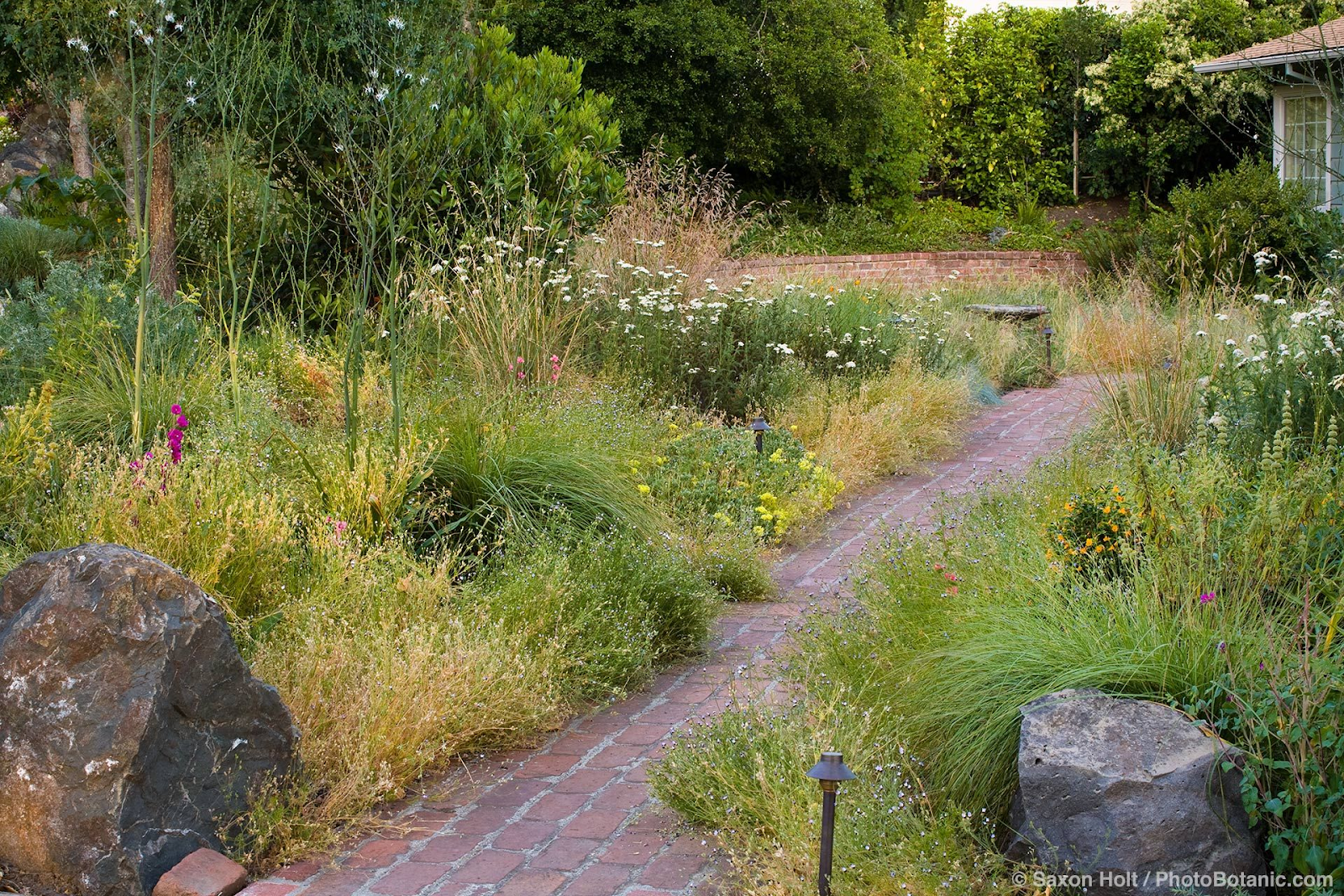
  1. Native Plants: Choose plants that are native to your region. These plants are adapted to the local climate and soil, requiring less water and maintenance. For example, if you own a property in a dry climate region, consider using drought-tolerant plants like lavender, sage.


    image credit: Pinterest.

  2. Water Features: Incorporate water features such as ponds, fountains, or waterfalls. The sound of flowing water has been shown to lower stress levels and create a peaceful ambiance. According to a study by the Journal of Environmental Psychology, natural water sounds can improve mood and cognitive performance.

  3. Outdoor Living Spaces: Create comfortable outdoor living areas where you can relax and entertain guests. Think of cozy seating arrangements, pergolas for shade, and outdoor kitchens for alfresco dining. A well-designed outdoor space encourages you to spend more time outside, reaping the benefits of fresh air and natural beauty.

  4. Edible Gardens: Growing your own food is both satisfying and stress-relieving. Edible gardens provide fresh, organic produce and give you a sense of accomplishment. Start with easy-to-grow vegetables like tomatoes, lettuce, and herbs. Not only will you enjoy the fruits of your labor, but gardening itself is a therapeutic activity.


    image credit: Pinterest.

Real-life Examples

  1. The Alnwick Garden in England: This 14-acre garden is a prime example of sustainable design. It features a poison garden with dangerous plants, a bamboo labyrinth, and water sculptures. The garden attracts over 800,000 visitors annually and demonstrates how sustainable practices can create a stunning and stress-relieving environment.

  2. The High Line in New York City: An urban park built on a historic freight rail line, the High Line integrates sustainable landscape design with native plants and reclaimed materials. It offers a green oasis in the middle of the city, providing residents and visitors with a place to unwind and connect with nature.

Conclusion

Sustainable landscape design is not just a trend; it's a proven way to enhance your property and reduce stress. By incorporating native plants, water features, outdoor living spaces, and edible gardens, you can create a sanctuary that promotes both physical and mental well-being. Whether you own a farmhouse, villa, estate, or resort, these principles can be adapted to suit your space and lifestyle.

Ready to transform your property into a stress-free haven? Start small, be patient, and enjoy the process. Your mind and body will thank you.

Call to Action

If you found this article helpful, share it with fellow property owners looking to create their own sustainable sanctuaries. For more tips and personalized advice, subscribe to our newsletter and follow us on social media. Together, let's build a greener, healthier future.

Thursday, April 4, 2024

From Freebies to Fantasies: My Rollercoaster Ride with Home Landscape Design

Picture this: You've just moved into your dream home, complete with a spacious backyard begging to be transformed into a picturesque oasis. Excited to bring your vision to life, you stumble upon an offer too good to refuse: a free landscape design consultation by a self-proclaimed "designer extraordinaire." What could possibly go wrong, right?

Well, let me tell you, my friends, my journey from freebie-hunting homeowner to enlightened landscape connoisseur was nothing short of a wild ride. Strap in and prepare for some laughs, some tears, and a whole lot of unexpected revelations.

Expectations vs. Reality:

I'll admit it—I was lured in by the promise of a freebie. Who wouldn't be? But as I eagerly awaited my first encounter with the designer, visions of lush gardens and tranquil water features danced in my head. Little did I know, reality had other plans.The First Encounter:Picture me, sitting nervously across from the designer, armed with Pinterest boards and magazine clippings galore. I eagerly rattled off my grand plans for a backyard paradise, only to be met with a polite smile and a not-so-subtle hint of skepticism. "Free design, free reign," I thought to myself, brushing off any doubts as I eagerly awaited the big reveal.

Learning the Hard Way:

Oh, how naive I was. As the designer unveiled their "masterpiece," I couldn't help but feel a pang of disappointment. What I saw before me was less paradise, more like a chaotic mishmash of mismatched plants and questionable design choices. Where were the flowing pathways and serene seating areas I had envisioned? And why did that fountain look suspiciously like a bird bath?

The Big Epiphany:

It didn't take long for reality to sink in: you get what you pay for. While the allure of a free design may be tempting, the truth is, true expertise comes at a price. A professional landscape architect brings years of experience, creativity, and industry knowledge to the table—qualities that simply can't be replicated with a freebie.

What I Could Have Gotten from a Pro:

Looking back, I can't help but wonder: what could I have achieved with the guidance of a professional landscape architect? From comprehensive site analysis and personalized design solutions to expert project management and unparalleled attention to detail, the possibilities are endless. Sure, it may come with a price tag, but the value of a truly exceptional landscape design is priceless.

So, to all the fellow freebie-hunters out there, take it from me: don't let the allure of a bargain blind you to the true potential of your outdoor space. Invest in expertise, invest in quality, and most importantly, invest in creating the backyard oasis of your dreams. Trust me, you won't regret it.

Decoding the Hardscape Puzzle: Top 10 Considerations for Choosing Landscape Materials

Embarking on a landscape project is an exciting endeavor, filled with endless possibilities and creative opportunities. However, when it comes to selecting materials for your hardscape, the choices can be overwhelming. Fear not, for I've compiled a list of the top 10 considerations to guide you through the maze of options and ensure your landscape project is a stunning success.
1. Durability: One of the most critical factors to consider is the durability of the materials. Opt for high-quality materials that can withstand the elements and the test of time, ensuring your hardscape retains its beauty and functionality for years to come.
2. Aesthetic Appeal: Your hardscape materials should complement the overall design aesthetic of your landscape. Consider factors such as color, texture, and style to create a cohesive and visually pleasing outdoor space.
3. Maintenance Requirements: Different materials require varying levels of maintenance. Take into account factors such as cleaning, sealing, and repairs to choose materials that align with your maintenance preferences and lifestyle.
4. Climate Compatibility: Consider the climate conditions in your region when selecting hardscape materials. Choose materials that can withstand temperature fluctuations, freeze-thaw cycles, and other environmental factors prevalent in your area.
5. Functionality: Think about how you plan to use your outdoor space and choose materials that meet your functional needs. Whether you're creating a patio for entertaining or a pathway for walking, select materials that offer the desired level of durability and usability.
6. Eco-Friendliness: In an age of increasing environmental awareness, consider the eco-friendliness of your hardscape materials. Opt for sustainable options such as recycled materials, locally sourced products, and permeable paving solutions to minimize your environmental footprint.
7. Cost: Budgetary considerations play a significant role in material selection. Evaluate the cost of materials, installation, and long-term maintenance to ensure they align with your budget constraints and financial goals.
8. Compatibility with Surroundings: Your hardscape materials should harmonize with the natural surroundings and architectural features of your property. Consider factors such as scale, proportion, and existing design elements to create a cohesive and integrated landscape design.
9. Safety: Safety should always be a top priority when choosing hardscape materials. Select slip-resistant surfaces for pathways and pool decks, and ensure that all materials meet safety standards and regulations to minimize the risk of accidents and injuries.
10. Availability and Accessibility: Finally, consider the availability and accessibility of hardscape materials in your area. 
Choose materials that are readily available from local suppliers to streamline the procurement process and minimize delays in your project timeline.By carefully considering these top 10 factors, you can confidently navigate the landscape of hardscape materials and make informed decisions that will enhance the beauty, functionality, and longevity of your outdoor space. So roll up your sleeves, unleash your creativity, and embark on the journey to create the landscape of your dreams!

Striking a Balance: Stone Pitching vs. Natural Terraces – Exploring Their Impact on Lake Biodiversity

As stewards of our natural environments, it's essential to consider the implications of our actions on biodiversity and ecosystem health. When it comes to managing the banks of lakes and water bodies, two common approaches emerge: stone pitching and natural terraces. Each method carries its own set of advantages and drawbacks, with significant implications for the biodiversity of the lake and surrounding ecosystem. 

Let's delve into the impact of stone pitching versus natural terraces and explore how each approach shapes the biodiversity of our precious lakes.

Stone Pitching:

Stone pitching, often used for erosion control and shoreline stabilization, involves the placement of large rocks or stones along the banks of a lake. While this method may offer immediate protection against erosion and wave action, its impact on biodiversity can be significant.

Advantages:

Immediate erosion control: Stone pitching provides a quick and effective solution for stabilizing eroding banks, preventing sediment runoff, and maintaining water quality.

Durability: Stones are resistant to erosion and degradation, providing long-term protection for the shoreline against wave action and fluctuating water levels.

Disadvantages:

Habitat destruction: The installation of stone pitching can disrupt natural habitats and ecosystems, displacing native plant and animal species that rely on the shoreline for food, shelter, and breeding grounds.

Loss of biodiversity: The barren, rocky environment created by stone pitching may lack the diversity of plant species found in natural habitats, leading to a decline in overall biodiversity and ecosystem health.

Altered hydrology: The hard surfaces of stone pitching can alter the flow of water along the shoreline, affecting sediment transport, nutrient cycling, and the distribution of aquatic organisms.

Natural Terraces:

In contrast to stone pitching, natural terraces mimic the gradual slope and irregular contours of natural shorelines, incorporating native vegetation and organic materials to stabilize the banks and promote biodiversity.

Advantages:

Enhanced biodiversity: Natural terraces provide a diverse array of habitats for plants, insects, birds, and other wildlife, supporting a rich and interconnected web of life along the shoreline.

Soil retention and filtration: The roots of native vegetation help to stabilize the soil, prevent erosion, and filter pollutants from runoff, improving water quality and clarity.

Aesthetic appeal: Natural terraces blend seamlessly with the surrounding landscape, enhancing the scenic beauty of the lake while providing valuable ecological benefits.

Disadvantages:

Time and maintenance: Establishing natural terraces requires careful planning, site preparation, and ongoing maintenance to ensure the success of native plantings and prevent erosion.

Initial investment: While natural terraces may offer long-term benefits for biodiversity and ecosystem health, the initial costs of design and implementation may be higher compared to traditional erosion control methods.

Striking a Balance:

Ultimately, the choice between stone pitching and natural terraces depends on a variety of factors, including site conditions, project goals, and ecological considerations. While stone pitching may offer immediate erosion control, it can have negative implications for biodiversity and habitat diversity. In contrast, natural terraces provide a more holistic approach to shoreline stabilization, promoting biodiversity, enhancing water quality, and creating a vibrant and resilient ecosystem.

As stewards of our lakes and water bodies, it's essential to strike a balance between human needs and environmental conservation, embracing innovative solutions that prioritize the health and vitality of our natural world. By carefully considering the impact of our actions on biodiversity and ecosystem health, we can create a sustainable future where lakes thrive, and wildlife flourishes for generations to come.

My Experiences & Lessons: Proven Biodiversity ROI Data

  GREENSCAPE DESIGNZ Landscape Architecture   |   EmOLscape Solutions   |   Masterplan Design   BLOG   |   EmOLscape Pillar: Risk ...