Wednesday, October 23, 2024

Resilient Landscapes: Designing for Cyclone Preparedness and Sustainable Recovery

To achieve a comprehensive reduction in disaster risk, boost local economic resilience, and ensure sustainability while reducing rehabilitation costs, it’s essential to take a holistic, multi-disciplinary approach. Here are some additional elements and ideas to explore, which intertwine with landscape design and disaster mitigation:

1. Resilient Infrastructure Development

  • Disaster-Resistant Building Codes: Ensure that infrastructure (buildings, roads, bridges) in cyclone-prone areas is designed to withstand extreme weather. Using materials and construction techniques suited for high wind speeds, flooding, and erosion can dramatically reduce damage, lowering the cost of rehabilitation.
  • Elevated Structures: For flood-prone coastal areas, elevate homes and community buildings to avoid water damage from storm surges and heavy rains.
  • Green Infrastructure: Incorporate features like green roofs, rain gardens, and bioswales to manage stormwater and reduce flooding. These sustainable systems can absorb excess water, lowering the burden on traditional drainage systems.

2. Community-Based Ecosystem Management

  • Community-Led Conservation: Empower local communities to take ownership of coastal and forest ecosystems. This could involve creating livelihood programs where locals are paid to manage and restore mangroves, forests, and wetlands, which naturally protect against cyclones.
  • Agroforestry and Regenerative Farming: Combining agriculture with forest conservation (agroforestry) helps local farmers diversify their income streams and enhances the landscape's capacity to absorb water and resist wind erosion. Practices such as permaculture and regenerative agriculture not only improve local food security but also enhance soil health, making the land more resilient to disasters.

3. Sustainable Livelihoods

  • Alternative Income Sources: In cyclone-prone areas, supporting locals to adopt alternative livelihoods can reduce their dependence on risky sectors (like fishing) that may be disrupted by disasters. Examples include eco-tourism, aquaculture, or crafts related to ecosystem services.
  • Climate-Resilient Crops: Encourage the cultivation of drought- and flood-resistant crops that are native or adapted to local climate patterns. This supports food security even in times of extreme weather events and reduces reliance on external food aid.
  • Sustainable Fisheries and Aquaculture: Promoting sustainable fishing practices and aquaculture can support the local economy while protecting the marine ecosystem from overexploitation, making it more resilient to storm damage.

4. Integrated Coastal Zone Management (ICZM)

  • Holistic Coastal Protection: Instead of relying solely on hard infrastructure (e.g., seawalls), ICZM integrates soft solutions like mangrove restoration, dunes, and coral reefs, which act as natural barriers against storm surges and flooding.
  • Community Education and Participation: ICZM also emphasizes involving local populations in coastal management, which ensures that strategies are practical, culturally sensitive, and well-maintained over time. It also encourages buy-in from the community, improving compliance and long-term success.

5. Early Warning Systems and Evacuation Planning

  • Real-Time Monitoring: Investing in advanced cyclone detection and communication systems can provide early warnings to communities. This enables timely evacuation and the safeguarding of resources, reducing the human and economic toll of disasters.
  • Evacuation Infrastructure: Well-designed evacuation routes, community shelters, and logistics for food and water distribution must be planned and periodically tested. Shelters should be cyclone-resistant and equipped with basic necessities to reduce post-disaster rehabilitation costs.

6. Insurance and Microfinance for Resilience

  • Microinsurance for Farmers and Fisherfolk: Provide affordable insurance products designed for vulnerable populations, particularly smallholder farmers and fishermen. This helps them recover from disasters without falling into poverty.
  • Microfinance for Disaster-Resilient Projects: Access to microfinance can help fund small-scale infrastructure projects, such as windbreaks or raised farming beds, that make communities more resilient to cyclones and flooding.

7. Circular Economy Principles

  • Waste Management and Recycling: Encourage sustainable waste management practices, including the recycling of building materials post-disaster. Instead of generating waste from debris after a cyclone, explore how it can be repurposed or used in reconstruction.
  • Local Production and Self-Sufficiency: Focus on building local supply chains to reduce dependence on external aid or imports post-disaster. For instance, local production of construction materials or crops for food and energy can stabilize the local economy after disasters.

8. Nature-Based Solutions

  • Coral Reef Restoration: Coral reefs act as natural buffers against waves and storm surges. Initiatives to restore coral reefs can help protect coastlines from the force of cyclones, reducing damage to property and infrastructure.
  • Dune Stabilization: Sand dunes provide a natural barrier against coastal erosion. Planting native grasses and stabilizing dunes can help protect inland areas from cyclonic winds and storm surges.
  • Urban Tree Canopy: In cyclone-prone urban areas, increasing tree cover with cyclone-resilient species can reduce heat stress (linked to climate change) and absorb rainwater, reducing flash floods during extreme weather events.

9. Local Economic Integration

  • Cooperative Models: Encourage cooperative models for small businesses and farmers to pool resources for better disaster preparedness and recovery. Such models could involve collective insurance, joint marketing, and coordinated resource management, all of which reduce the economic shock of a cyclone.
  • Sustainable Tourism Development: Developing eco-tourism can create jobs while promoting environmental protection. Post-disaster, eco-tourism areas are often quicker to recover due to the community's vested interest in maintaining the natural environment.

10. Policy Advocacy and Capacity Building

  • Stronger Governance for Disaster Risk Reduction: Advocate for policies that promote landscape resilience, better urban planning, and risk-informed development. Governments and NGOs can provide technical support for developing local disaster management plans.
  • Capacity Building Programs: Train local leaders and citizens in disaster response, preparedness, and landscape management. This ensures that knowledge stays within the community and can be passed down, leading to long-term resilience.
  • Sustainable Land Use Policies: Lobby for land-use policies that prioritize green spaces, buffer zones, and sustainable agricultural practices in cyclone-prone areas, which can provide ecosystem services and reduce the need for costly rehabilitation after a disaster.

Summary: Integrated and Collaborative Approach

  • Multi-Sector Collaboration: Bring together architects, engineers, landscape architects, ecologists, urban planners, policymakers, and local communities to develop disaster-resilient solutions. This collaboration should focus on low-cost, nature-based solutions that integrate economic and environmental goals.

  • Sustainable Funding: Leverage funding from international climate funds, insurance schemes, and microfinance institutions to support long-term sustainable development in cyclone-prone areas.

These ideas, implemented together, can lead to a more disaster-resilient environment, while simultaneously boosting the local economy, reducing rehabilitation costs, and promoting long-term sustainability. The key is ensuring that solutions are tailored to the local context and involve the community at every step.

Commercialization of India’s Beaches and Sustainable Tourism


Commercializ

ation of India’s Beaches and Sustainable Tourism

India’s beaches, especially in states like Goa, Kerala, Tamil Nadu, and the Andaman and Nicobar Islands, are significant economic drivers due to their tourism potential. However, the commercialization of these beaches often leads to environmental degradation—coastal erosion, loss of biodiversity, and pollution. To avoid the long-term impacts of unchecked commercialization, it is critical to integrate sustainable tourism with conscious landscaping and nature-based solutions. This approach not only preserves the natural beauty of these areas but also fosters economic growth, enhances community livelihoods, and builds resilience to climate change and cyclones.

Here’s how to commercialize India’s beaches while promoting sustainability:

1. Eco-Friendly Tourism Infrastructure

  • Sustainable Construction: Tourism-related infrastructure such as hotels, restaurants, and resorts should adopt sustainable building practices, using locally sourced materials, energy-efficient designs, and renewable energy systems (solar panels, wind turbines). Elevated structures or stilted resorts can protect against storm surges while minimizing the footprint on natural habitats like dunes and coastal forests.
  • Waste Management and Pollution Control: Solid waste and wastewater from tourism facilities should be treated using eco-friendly methods such as constructed wetlands for natural filtration. Biodegradable products, plastic-free zones, and stringent waste segregation practices should be enforced to reduce beach pollution.

2. Conscious and Environmental Landscaping

  • Native Vegetation: Landscapes around tourist areas must prioritize planting native species that are adapted to coastal conditions, such as salt-tolerant plants and resilient mangroves. These not only help with stabilizing dunes and reducing erosion but also contribute to the local ecosystem by attracting pollinators and wildlife.
  • Coastal Buffers and Green Belts: Creating green belts of mangroves, palm groves, and native grasses between the sea and commercial properties acts as a natural barrier against wind and wave erosion. These buffers help protect beach infrastructure during cyclones and reduce the need for costly repairs and rehabilitation after extreme weather events.
  • Permeable Landscaping: Use permeable materials (e.g., sand, gravel, grass pavers) for walkways, parking lots, and other built areas to allow water infiltration, reduce runoff, and prevent beach flooding during heavy rains.

3. Nature-Based Solutions for Coastal Protection

  • Mangrove Restoration: Mangroves are essential for protecting coastlines from erosion and storm surges. Restoring and protecting mangrove ecosystems not only reduces cyclone damage but also supports rich biodiversity, offering eco-tourism opportunities like birdwatching and educational tours.
  • Coral Reef Conservation: Coral reefs, like those near the Andaman Islands or Lakshadweep, act as natural wave breakers, reducing the impact of storm surges on beaches. Investing in coral reef conservation or artificial reef projects can provide long-term protection for beaches and enhance the marine biodiversity that attracts divers and snorkelers, supporting a sustainable tourism model.
  • Dune Stabilization and Restoration: Sand dunes serve as natural barriers against coastal erosion. Planting native dune grasses and installing dune fences can help stabilize these formations. This not only protects inland properties but also maintains the natural landscape that draws tourists.

4. Sustainable Tourism Practices

  • Low-Impact Tourism Models: Promote low-density tourism where fewer, higher-paying visitors are targeted, reducing the strain on local ecosystems. This model can lead to better economic outcomes for local populations while ensuring the long-term health of the beach environment.
  • Green Certifications for Resorts: Encourage or mandate tourism operators to achieve green certifications (e.g., LEED, Green Globe, or EarthCheck), which require adhering to sustainable practices such as energy efficiency, water conservation, and waste reduction.
  • Public-Private Partnerships: Governments can collaborate with private investors and local communities to create sustainable tourism hubs. These partnerships should aim to preserve beach ecosystems through land-use zoning that limits the density of development and protects key habitats like dunes, lagoons, and coral reefs.

5. Community Involvement and Local Economic Empowerment

  • Community-Based Tourism (CBT): Involve local communities in tourism development to ensure that they share the economic benefits. This could include training locals to manage eco-lodges, act as nature guides, or run small businesses that cater to tourists, such as craft stalls or locally sourced, eco-friendly food outlets.
  • Eco-Tourism Enterprises: Promote eco-tourism activities like guided nature trails, wildlife observation tours, sustainable fishing expeditions, and cultural experiences that provide income without damaging the environment. Offering eco-friendly accommodation options like homestays or nature lodges further empowers local populations while reducing the carbon footprint of tourism.
  • Revenue from Nature Conservation: Allow portions of tourist revenue to be reinvested into local conservation efforts, such as coral reef protection, beach clean-ups, and mangrove restoration. Such initiatives can boost the local economy, provide jobs, and preserve the natural environment that draws tourists in the first place.

6. Sustainable Transportation and Infrastructure

  • Electric Vehicles and Water Transport: Encourage the use of electric buses, bicycles, and boats for transporting tourists within beach regions. This reduces emissions and preserves air and water quality. Integrating charging infrastructure for electric vehicles into tourism facilities also encourages low-impact travel.
  • Pedestrianized Zones: Design pedestrian-friendly areas near beaches, restricting vehicular access to reduce traffic congestion, noise, and air pollution. These zones can be enhanced with green spaces, local markets, and art installations that provide a unique tourist experience while protecting the beach environment.

7. Cultural and Educational Tourism

  • Environmental Education: Create eco-education centers at beaches to educate tourists on the importance of coastal ecosystems, such as mangroves, coral reefs, and dunes. These centers can offer workshops on sustainable practices, such as how to minimize plastic waste or volunteer in beach conservation efforts.
  • Cultural Integration: Highlight local cultures and traditions as part of the tourism experience, such as indigenous knowledge of the coastline or sustainable fishing practices. This promotes respect for the local heritage and prevents the homogenization of beach tourism.

8. Policy and Regulatory Frameworks

  • Zoning and Coastal Regulation: Strictly enforce Coastal Regulation Zone (CRZ) laws that limit construction near shorelines to prevent unchecked commercialization. Coastal setbacks should be enforced, ensuring that no permanent structures are built in areas vulnerable to sea-level rise, erosion, or storm surges.
  • Incentives for Sustainable Practices: Offer tax breaks, subsidies, or reduced license fees for businesses that adopt eco-friendly practices, from renewable energy use to biodiversity conservation. Additionally, impose penalties on developers or businesses that violate environmental regulations.
  • Tourism Impact Assessments: Before approving new projects, conduct thorough Environmental Impact Assessments (EIA) that specifically evaluate the long-term impacts of tourism on local ecosystems and communities. Consider mandating Nature-Based Solutions (NBS) as part of the development process.

9. Post-Disaster Recovery and Rehabilitation

  • Disaster-Resilient Planning: Ensure that tourism developments are designed with disaster risk reduction in mind. Coastal facilities should be cyclone-resistant, have proper stormwater drainage systems, and be built to withstand flooding and high winds. This minimizes the rehabilitation costs post-disaster and reduces downtime for businesses.
  • Eco-Rehabilitation: Post-cyclone recovery should focus on restoring natural ecosystems—such as replanting mangroves, stabilizing dunes, and rebuilding coral reefs—rather than relying solely on hard infrastructure, which can disrupt natural coastal processes.

Conclusion: A Holistic and Integrated Approach

To balance the commercialization of India’s beaches with sustainable development, it’s crucial to integrate conscious landscape design, nature-based solutions, and community-focused initiatives into tourism planning. These strategies not only protect coastal ecosystems from the effects of tourism and cyclones but also support the long-term economic resilience of local populations.

By investing in sustainable infrastructure, community engagement, and environmental protection, India’s coastal regions can become global examples of how to develop profitable, eco-conscious tourism that preserves the very ecosystems tourists come to experience. Sustainable tourism should be seen as a pathway to climate resilience, reduced rehabilitation costs, and improved livelihoods for local communities, all while maintaining the natural beauty of India's coastlines for future generations.

Monday, September 23, 2024

Rethinking Urban Storm Drains for Resilient Cities

Introduction: As urbanization continues to expand, cities around the world are grappling with one common issue: flooding. Traditional storm drain systems are designed to swiftly move rainwater away from streets, buildings, and other urban areas, but this approach often leads to a series of unintended consequences. These systems, focused solely on removal, fail to address the root of the problem—excessive runoff—and exacerbate challenges such as urban flooding, water shortages, and ecological degradation. To create truly resilient urban environments, we must rethink how we manage stormwater.

The Problem with Traditional Storm Drains: Conventional stormwater management relies on impervious surfaces like concrete and asphalt, which prevent water from seeping into the ground. During heavy rainfall, this results in large amounts of runoff, overwhelming storm drains and leading to flash flooding.

Key problems include:

Flooding and Infrastructure Damage: Traditional drains struggle to cope with sudden, intense rain events, leading to flooded streets, damaged property, and interrupted urban life.

Loss of Groundwater Recharge: The removal of stormwater prevents it from replenishing groundwater, contributing to water shortages.

Heat Islands and Decreased Biodiversity: The abundance of concrete traps heat, raising urban temperatures, while the lack of greenery leads to a decline in local biodiversity.

A New Approach: Green Stormwater Infrastructure The solution to this growing issue lies in green stormwater infrastructure (GSI)—a sustainable approach that mimics natural processes to manage rainwater where it falls. Instead of simply funneling water away, GSI uses permeable surfaces, bioswales, rain gardens, and retention ponds to absorb, filter, and slow down stormwater.

1. Permeable Pavers 
Permeable pavers allow rainwater to seep into the ground, reducing runoff and easing the pressure on storm drains. When used in driveways, parking lots, and sidewalks, these pavers can significantly reduce urban flooding while replenishing local water tables. They also create thermally cooler surfaces, helping mitigate the urban heat island effect.

2. Bioswales and Rain Gardens
Bioswales—shallow, vegetated channels designed to capture and filter rainwater—are another effective way to handle excess water in urban environments. Similarly, rain gardens with native plants act as natural sponges, absorbing rainwater and improving water quality. These green spaces not only reduce the risk of flooding but also provide essential habitats for urban wildlife.

3. Green Roofs and Retention Ponds
For larger buildings, green roofs offer a unique way to manage stormwater. By covering rooftops with vegetation, rainwater is absorbed on-site, reducing runoff. Retention ponds or artificial wetlands are other natural solutions that can hold excess water and release it slowly, preventing overflow.

Impact on Private Projects: 
Design, Execution, and Post-Occupancy Incorporating sustainable stormwater management into private projects can significantly enhance their resilience, attractiveness, and long-term success.

Design Phase: Architects and landscape designers can integrate permeable surfaces, rain gardens, and bioswales into urban projects from the outset. This not only helps manage stormwater but also creates aesthetically pleasing environments that blend green spaces with the built environment.

Execution Phase: During construction, attention must be given to site-specific factors, including soil composition and the natural flow of water. Sustainable stormwater solutions require thoughtful execution to ensure that water is managed effectively without compromising the integrity of the structure.

Post-Occupancy Benefits: Once the project is completed, green stormwater infrastructure provides a range of benefits. Residents and occupants enjoy flood-resistant properties, lower maintenance costs due to reduced waterlogging, and cooler, greener spaces. These features enhance the overall livability of urban environments while minimizing long-term environmental impact.

Ecological Importance: Protecting Biodiversity and Water Resources Beyond the practical benefits, sustainable stormwater management plays a critical role in preserving urban ecosystems. By reducing runoff, permeable systems help filter pollutants before they reach rivers and lakes, improving water quality. Green spaces like rain gardens and bioswales provide habitats for birds, insects, and small mammals, increasing biodiversity in cities.

Furthermore, by encouraging groundwater recharge, these systems help combat water shortages and ensure a sustainable supply of water for future generations.
Integration with Landscape Design: Enhancing Functionality and Aesthetics

1. Harmonizing Form and Function: Landscaping is not just about beautifying spaces—it can serve critical ecological functions. By integrating stormwater management into landscape design, we create multifunctional spaces that are both aesthetically pleasing and perform important environmental roles. For instance, bioswales, permeable walkways, and rain gardens can be designed to blend with the natural aesthetic of a garden, rather than feeling like industrial components.

2. Layered Planting for Water Absorption: Using layered planting schemes that include groundcovers, shrubs, and trees helps slow down rainwater, allowing for better absorption into the soil. Native and adaptive plant species should be prioritized, as they are naturally suited to the local climate, requiring less water and thriving with minimal maintenance. This also ensures that stormwater management integrates seamlessly with the surrounding landscape without overwhelming or under-serving the site.
3. Natural Water Features as Stormwater Solutions: Instead of traditional drainage infrastructure, natural water features such as ponds, wetlands, and dry creeks can be incorporated into the landscape design. These features capture, filter, and store stormwater while adding a tranquil, visually appealing element to the site. In dry seasons, dry creeks or retention ponds can serve as part of the visual landscape, and during rainy seasons, they can manage and store excess water.

4. Green Walls and Living Fences: In dense urban areas where space is limited, green walls and living fences can be used to manage rainwater. Vertical gardens absorb and filter rainwater, helping reduce runoff while enhancing air quality and providing insulation. Living fences composed of hardy, drought-resistant species can capture runoff along property lines or boundaries, reducing erosion and managing stormwater in tight spaces.

5. Enhancing Microclimates with Vegetative Buffers: Strategically placing plants around a site helps create microclimates that absorb water and regulate temperature. Vegetative buffers, which can be trees or shrubs, not only absorb rainwater but also provide shade, reduce heat islands, and shelter wildlife. In urban spaces, such buffers can be used to soften hard edges and absorb runoff from surrounding impermeable surfaces like roads or parking lots.

6. Green Corridors for Water and Wildlife: Green corridors within urban landscapes can double as stormwater management pathways. These corridors can channel water into designed catchment areas while supporting biodiversity, connecting fragmented habitats, and creating wildlife corridors that are essential in dense urban environments. These corridors can also provide shaded walkways and spaces for urban dwellers to interact with nature.

7. Soil Health and Rainwater Absorption: Healthy soil is key to any stormwater management strategy. In landscape design, promoting soil health through organic practices such as mulching, composting, and avoiding soil compaction increases the soil’s capacity to absorb and filter water. Adding mycorrhizal fungi and other soil-enhancing techniques can help retain water during dry spells and release it gradually after rain.

8. Retrofitting Existing Landscapes: Even if a landscape is already in place, sustainable stormwater management can be integrated as a retrofit. Simple measures like replacing impermeable surfaces with permeable ones, installing rain gardens or bioswales, and switching to native plant species can greatly improve the resilience of the landscape and help manage runoff effectively. This ensures that older projects can be adapted to meet the demands of a changing climate.

The Long-Term Ecological Impact of Integrating Stormwater with Landscape Design

Carbon Sequestration: Well-designed landscapes with rich vegetation can capture and store carbon, contributing to the overall reduction of a project’s carbon footprint. Permeable surfaces and the inclusion of diverse plant species not only manage stormwater but also enhance carbon sequestration, helping mitigate climate change.

Pollinator Habitats: Integrating stormwater management systems with landscapes can also support pollinator populations. Flowering plants in rain gardens and bioswales can attract bees, butterflies, and other pollinators, improving urban biodiversity.

Resilience to Extreme Weather Events: Landscapes designed with water retention in mind are naturally more resilient to extreme weather events. They can absorb excess rainwater during heavy storms and store moisture during droughts, ensuring that plants and vegetation survive fluctuations in weather patterns.

Educational and Community Engagement: Urban projects that integrate sustainable stormwater management and landscape design can serve as educational tools, raising awareness about the importance of managing water and preserving biodiversity. They can also become spaces for community engagement, where people interact with nature, fostering a greater connection to the environment.

Conclusion: Designing for a Resilient Future Rethinking urban storm drains is no longer an option—it’s a necessity. As climate change continues to bring more intense and unpredictable weather patterns, cities must adopt sustainable stormwater management strategies to protect people, property, and the environment. By integrating permeable surfaces, bioswales, and green roofs into urban design, we can create cities that are not only more resilient to flooding but also healthier, greener, and more enjoyable for all.

Blending Functionality and Beauty

By integrating stormwater management systems into landscape design, we not only enhance the resilience of urban environments but also create spaces that are beautiful, functional, and ecologically significant. Whether through permeable pavers, green corridors, or living walls, the key to effective stormwater management lies in blending functionality with aesthetic value, resulting in cities that are prepared for the challenges of climate change while enhancing the well-being of their inhabitants.

Call to Action: If you’re planning a new project or looking to upgrade an existing space, consider sustainable stormwater solutions as part of your design. Together, we can build a resilient future that benefits both people and the planet.


Wednesday, September 11, 2024

Silent Cities: How selective planting is dimming the songs of Birds

Introduction:

In the modern urban jungle, the soothing symphony of bird songs has become an increasingly rare melody. While cities are adorned with lush greenery and carefully curated landscapes, there's a hidden cost to the emphasis on ornamental beauty: the silence of our feathered friends. Selective horticultural practices that prioritize aesthetic appeal over ecological balance are contributing to the decline of bird populations in cities. Yet, there’s hope. By embracing sustainable landscape practices and mindful design, we can restore the harmony of bird songs in our urban environments.

  • Habitat loss and fragmentation: When natural habitats are replaced with selectively planted landscapes, birds may lose their native environments, leading to reduced populations and less singing.
  • Limited food sources: Selective planting can result in a lack of diverse food sources, making it harder for birds to survive and sing.
  • Reduced nesting sites: With fewer native plants, birds may struggle to find suitable nesting sites, affecting their ability to reproduce and sing.
  • Increased noise pollution: Selective planting can lead to more human activity, generating noise that drowns out bird songs.
  • Changes in bird behavior: Altered landscapes can cause birds to adapt their behavior, potentially reducing singing activity.


As we strive to create beautiful and functional outdoor spaces, we often overlook the impact of our planting choices on the natural world. Selective planting, where specific plants are chosen for their aesthetic or practical value, can have far-reaching consequences for local bird populations. One of the most striking effects is the decline of bird songs, a cherished aspect of nature that brings joy and serenity to our lives.

Habitat Loss and Fragmentation

When natural habitats are replaced with selectively planted landscapes, birds lose their native environments, leading to reduced populations and less singing. A study published in the journal Landscape Ecology found that urbanization and habitat fragmentation can lead to a decline in bird species richness and abundance (1). By planting a diverse range of native species, we can help preserve habitats and support thriving bird communities.


Limited Food Sources

Selective planting can result in a lack of diverse food sources, making it harder for birds to survive and sing. Birds rely on specific plants for food, shelter, and breeding grounds. A study in the Journal of Applied Ecology found that bird populations are influenced by the availability of food resources, particularly insects and seeds (2). By incorporating native plants that provide a variety of food sources, we can support bird populations and encourage singing.


Reduced Nesting Sites

With fewer native plants, birds may struggle to find suitable nesting sites, affecting their ability to reproduce and sing. A study published in the journal Biological Conservation found that nesting success is influenced by the availability of suitable nesting sites (3). By planting native vegetation, we can provide birds with the resources they need to thrive.


Increased Noise Pollution

Selective planting can lead to more human activity, generating noise that drowns out bird songs. A study in the journal Environmental Research Letters found that noise pollution can have negative impacts on bird behavior and communication (4). By creating quiet spaces and minimizing human disturbance, we can help birds sing freely.


Changes in Bird Behavior

Altered landscapes can cause birds to adapt their behavior, potentially reducing singing activity. A study published in the journal Animal Behaviour found that birds may adjust their singing behavior in response to environmental changes (5). By creating landscapes that support natural behavior, we can encourage birds to sing.


The Impact of Selective Planting:

Urban landscaping often leans towards choosing plants that enhance visual appeal—those with vibrant flowers, neatly pruned shrubs, and exotic trees that fit the city's image of modern beauty. However, this selective approach neglects the needs of local wildlife, particularly birds.

Birds rely on specific types of vegetation for food, shelter, and nesting. Native plants produce the fruits, seeds, and insects that are crucial to their diet. But when cities replace native flora with exotic species or overly ornamental plants that offer little ecological value, birds lose vital resources. The result? Fewer birds, less biodiversity, and a quieter city.

Sustainable Landscape Planting: The Solution

To reverse this trend, sustainable landscape planting must become a priority in urban design. Here’s how:

  1. Native Plant Selection: Native plants are adapted to the local climate and soil, requiring less maintenance and providing essential resources for birds. Incorporating these plants into urban landscapes supports not only birds but other wildlife like bees and butterflies, fostering a richer ecosystem.

    For inspiration on native plants that attract birds, check out guide on bird-friendly plants. Please find here a list of Native plants in India.

  2. Biodiverse Planting: Creating layers of vegetation with a mix of trees, shrubs, and ground cover mimics natural habitats, providing various food sources and nesting opportunities for birds. This approach creates a self-sustaining ecosystem that requires less human intervention.

    See examples of biodiverse urban landscapes here. [Link to images of biodiverse landscapes]

  3. Avoiding Monocultures: While it might be tempting to plant rows of the same tree or shrub for uniformity, monocultures can harm biodiversity. Diverse planting schemes not only support more wildlife but also enhance the resilience of the urban environment against pests and diseases.

    Explore the benefits of diverse planting. [Link to articles on the dangers of monocultures]

Addressing Root Zone Compaction:

Beyond plant selection, the health of urban trees plays a crucial role in supporting bird populations. One of the most overlooked aspects of tree health is root zone compaction. In cities, the root zones of trees often suffer from compaction due to foot traffic, construction activities, and even the use of heavy machinery.

Compacted soil reduces the ability of tree roots to absorb water, oxygen, and nutrients, leading to weakened trees that are more susceptible to disease and less capable of providing the habitat that birds need. Sustainable design practices, such as using permeable paving materials and creating dedicated root zones, are essential in preventing compaction and ensuring that urban trees can thrive.

  • Permeable Paving: Using materials that allow water and air to reach the roots reduces compaction and supports healthier trees. It’s a simple change with a significant impact on urban greenery.


    Check out examples of permeable paving here.
    [Link to images of permeable paving designs]

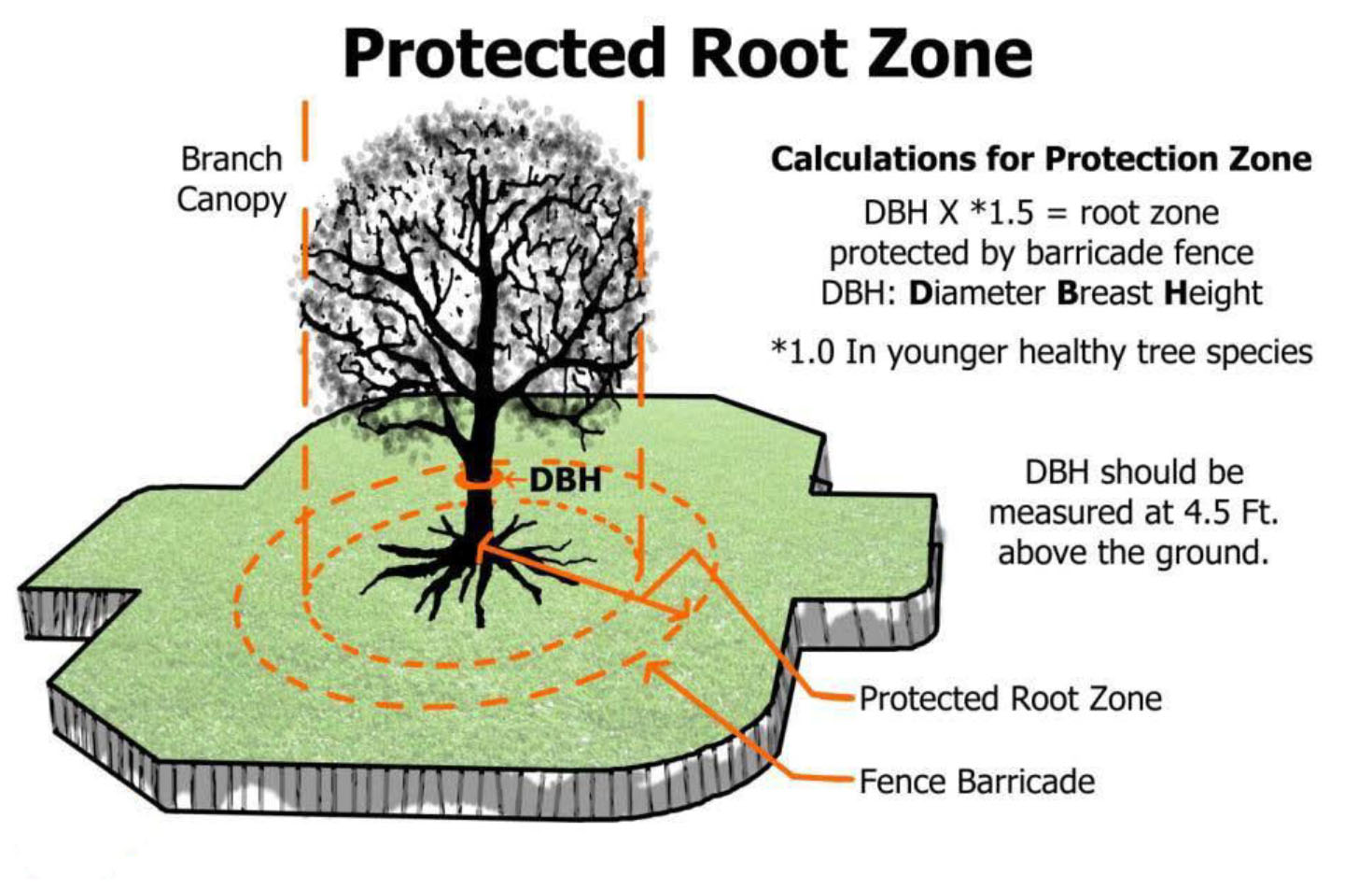
  • Protected Root Zones: Designating areas around trees where foot traffic and construction are minimized can protect root systems from compaction. These zones can be integrated into the overall design of urban spaces, ensuring both functionality and ecological balance.


    Learn more about the importance of protecting root zones.
    [Link to Root zone protection]

The Role of Designers and Planners:

Urban designers and landscape architects play a pivotal role in reversing the decline of bird populations. By prioritizing ecological sustainability over mere aesthetics, they can create urban spaces that are not only beautiful but also teeming with life.

Educating stakeholders about the long-term benefits of sustainable planting and tree protection is key. Developers, city planners, and residents alike need to understand that a thriving urban ecosystem enhances the quality of life for everyone—not just birds.

Call to Action

As we design and manage our outdoor spaces, let's consider the impact on bird populations and their songs. By incorporating native plants, reducing noise pollution, and preserving natural habitats, we can create landscapes that support thriving bird communities. Let's work together to create a world where bird songs continue to fill the air.

Conclusion:

The silence of bird songs in cities is a warning sign, but it’s not too late to restore the balance. By shifting away from purely aesthetic-focused planting and adopting sustainable landscape practices, we can bring back the natural melodies that make our urban environments more vibrant and alive. Every tree planted with care, every plant chosen for its ecological value, and every effort to protect our urban greenery contributes to a future where cities and nature coexist harmoniously.

References:

(1) Landscape Ecology, "Urbanization and habitat fragmentation: A review of the evidence"

(2) Journal of Applied Ecology, "Food availability and bird populations"

(3) Biological Conservation, "Nesting success and habitat quality"

(4) Environmental Research Letters, "Noise pollution and bird behavior"

(5) Animal Behaviour, "Bird song and environmental change"


Further Reading: 

Habitat fragmentation and urbanization can have a wide range of negative effects on the environment, including: 
 
  • Reduced biodiversity
    Habitat fragmentation can reduce biodiversity by 13–75%. The effects are most pronounced in small, isolated fragments, and worsen over time. 
     
  • Ecosystem damage
    Habitat fragmentation can harm ecosystem functions by reducing biomass and altering nutrient cycles. 
     
  • Barrier effects
    Urbanization can create barriers that prevent organisms from moving around, which can reduce ecological connectivity. 
     
  • Increased risk of disease
    Habitat fragmentation can bring wild animal populations closer to domesticated animals, which can lead to the spread of disease. 
     
  • Species extinction
    Habitat fragmentation can cause the extinction of many species. 
     
  • Historical influences
    Land-use history can strongly influence the current distribution of fragments and the condition of the ecosystems within them. 
     
Habitat fragmentation and its lasting impact on Earth's ...
Habitat fragmentation is the process by which large habitats are broken up into smaller, isolated patches. It can be caused by geological processes or human activities, such as land conversion. Urbanization is a major cause of habitat fragmentation, as it can lead to the reduction and fragmentation of natural habitats.

Wednesday, September 4, 2024

Rain Gardens: A Natural Solution to Urban Flooding and Pollution


Imagine
a garden that not only enhances the beauty of your landscape but also helps protect your home or Garden from flooding, reduces pollution, and supports local wildlife. Welcome to the world of rain gardens—a powerful yet simple solution to some of our most pressing environmental challenges.

As urban areas continue to expand, so do the challenges of managing stormwater. Traditional drainage systems often struggle to cope with heavy rainfall, leading to flooding, water pollution, and strain on local ecosystems. Rain gardens offer a nature-based solution to these issues, blending functionality with aesthetic appeal.

What is a Rain Garden?

A rain garden is a shallow, landscaped depression that captures and absorbs rainwater runoff from roofs, driveways, and other impermeable surfaces. Unlike traditional gardens, rain gardens are specifically designed to manage and treat stormwater. They are planted with native plants and deep-rooted grasses, which help filter pollutants, reduce erosion, and promote groundwater recharge.

Why Should You Consider a Rain Garden?

  1. Flood Mitigation: By capturing runoff, rain gardens reduce the amount of water that flows into storm drains, mitigating the risk of local flooding.

  2. Water Quality Improvement: Rain gardens act as natural filters, trapping pollutants like fertilizers, pesticides, and oils before they can reach rivers and streams.

  3. Wildlife Habitat: Native plants in rain gardens provide habitat for birds, butterflies, and other wildlife, contributing to local biodiversity.

  4. Cost-Effective and Low Maintenance: Once established, rain gardens require minimal maintenance and can even save money by reducing the need for expensive drainage systems.

How to Create a Rain Garden

  1. Choose the Right Location: Identify low-lying areas where water naturally collects, preferably at least 10 feet away from your home to prevent foundation issues.

  2. Select Native Plants: Opt for a mix of deep-rooted native plants and grasses. Native species are well-adapted to local climate and soil conditions, requiring less water and maintenance.

  3. Prepare the Soil: Dig a shallow depression and amend the soil with compost to improve drainage and nutrient content. The depth will depend on the volume of runoff the garden is expected to handle.

  4. Plant and Mulch: Arrange your plants according to their water needs, with more water-tolerant species in the center. Mulch the garden to retain moisture and reduce weed growth.

  5. Maintain: Water the garden during dry periods in the first year to help establish the plants. After that, rain gardens are generally low maintenance.


Success Stories: Rain Gardens in Action

Communities across the globe have embraced rain gardens as a sustainable solution to urban water management. For instance, in Seattle, USA, the "RainWise" program encourages homeowners to install rain gardens to manage stormwater, significantly reducing combined sewer overflows. Similar initiatives have been successful in Australia, the UK, and India, where rain gardens are being used to combat urban flooding and restore local ecosystems.

Soak Up the Rain: Rain Gardens | US EPA to view a gallery of rain garden designs and installations for inspiration!

https://www.youtube.com/watch?v=Q2EoHBnCCII&themeRefresh=1

Rain Garden Plants:


Monday, August 19, 2024

What are the sustainable design requirements for a villa development


For a villa development project, sustainable design requirements focus on creating a balance between environmental conservation, resource efficiency, and community well-being. Below are key considerations:

1. Site Planning & Land Use

  • Low Impact Development: Minimize disturbance to the natural landscape by preserving existing topography, vegetation, and water bodies.
  • Efficient Land Use: Plan for optimal building density to allow ample open spaces while maximizing land utility.
  • Clustered Development: Group villas in clusters to reduce infrastructure costs and preserve natural habitats.

2. Water Management

  • Rainwater Harvesting: Install systems to collect and store rainwater for non-potable uses like irrigation.
  • Greywater Recycling: Treat and reuse greywater for landscape irrigation and flushing toilets.
  • Stormwater Management: Implement permeable pavements, swales, and retention ponds to manage runoff and enhance groundwater recharge.
  • Drought-Resistant Landscaping: Use native and drought-tolerant plants to reduce irrigation needs.

3. Energy Efficiency

  • Solar Energy: Install solar panels on villa rooftops to generate renewable energy for the community.
  • Passive Design: Design villas for natural ventilation, daylighting, and thermal comfort, reducing reliance on artificial heating and cooling.
  • Energy-Efficient Appliances: Incorporate energy-efficient lighting, HVAC systems, and appliances to reduce energy consumption.
  • Insulation: Use high-performance insulation materials to improve energy efficiency.

4. Sustainable Materials & Construction

  • Eco-Friendly Materials: Use sustainable, locally sourced, and recycled materials in construction.
  • Low-Impact Construction Practices: Minimize waste, pollution, and resource use during construction.
  • Green Roofing & Walls: Implement green roofs and walls to enhance insulation, reduce heat island effect, and promote biodiversity.

5. Waste Management

  • Recycling Facilities: Provide infrastructure for separating and recycling waste at the source.
  • Composting: Set up community composting systems for organic waste from households and landscaping.
  • Construction Waste Management: Develop a plan to recycle or reuse construction waste and debris.

6. Transportation

  • Non-Motorized Transport: Design pedestrian and bicycle-friendly pathways to encourage walking and cycling.
  • Electric Vehicle Infrastructure: Provide charging stations and dedicated parking for electric vehicles.
  • Shared Transport Options: Consider including shared electric vehicles or shuttle services to reduce the carbon footprint.

7. Biodiversity & Landscaping

  • Native Landscaping: Prioritize native plants and trees to support local ecosystems and reduce water usage.
  • Wildlife Corridors: Create green spaces that connect habitats and promote biodiversity.
  • Edible Gardens: Incorporate community gardens or orchards to promote local food production and community interaction.

8. Community & Social Sustainability

  • Shared Spaces: Include community areas like parks, playgrounds, and common areas to foster social interaction and community engagement.
  • Health & Wellness: Provide amenities like walking trails, fitness zones, and spaces for outdoor activities to encourage a healthy lifestyle.
  • Education & Awareness: Offer programs or resources to educate residents on sustainable living and environmental stewardship.

9. Climate Resilience & Adaptation

  • Resilient Infrastructure: Design buildings and infrastructure to withstand extreme weather events.
  • Flood Prevention: Ensure effective stormwater management systems to prevent flooding.
  • Emergency Preparedness: Incorporate emergency access routes and shelters for community safety during natural disasters.

10. Compliance & Certification

  • Green Building Standards: Aim for certifications like LEED, IGBC, or GRIHA to ensure adherence to sustainability best practices.
  • Local Regulations: Ensure that all designs meet or exceed local environmental and building regulations.

By implementing these sustainable design requirements, the villa development will be more resilient, environmentally friendly, and conducive to a high quality of life for residents.

My Experiences & Lessons: Proven Biodiversity ROI Data

  GREENSCAPE DESIGNZ Landscape Architecture   |   EmOLscape Solutions   |   Masterplan Design   BLOG   |   EmOLscape Pillar: Risk ...