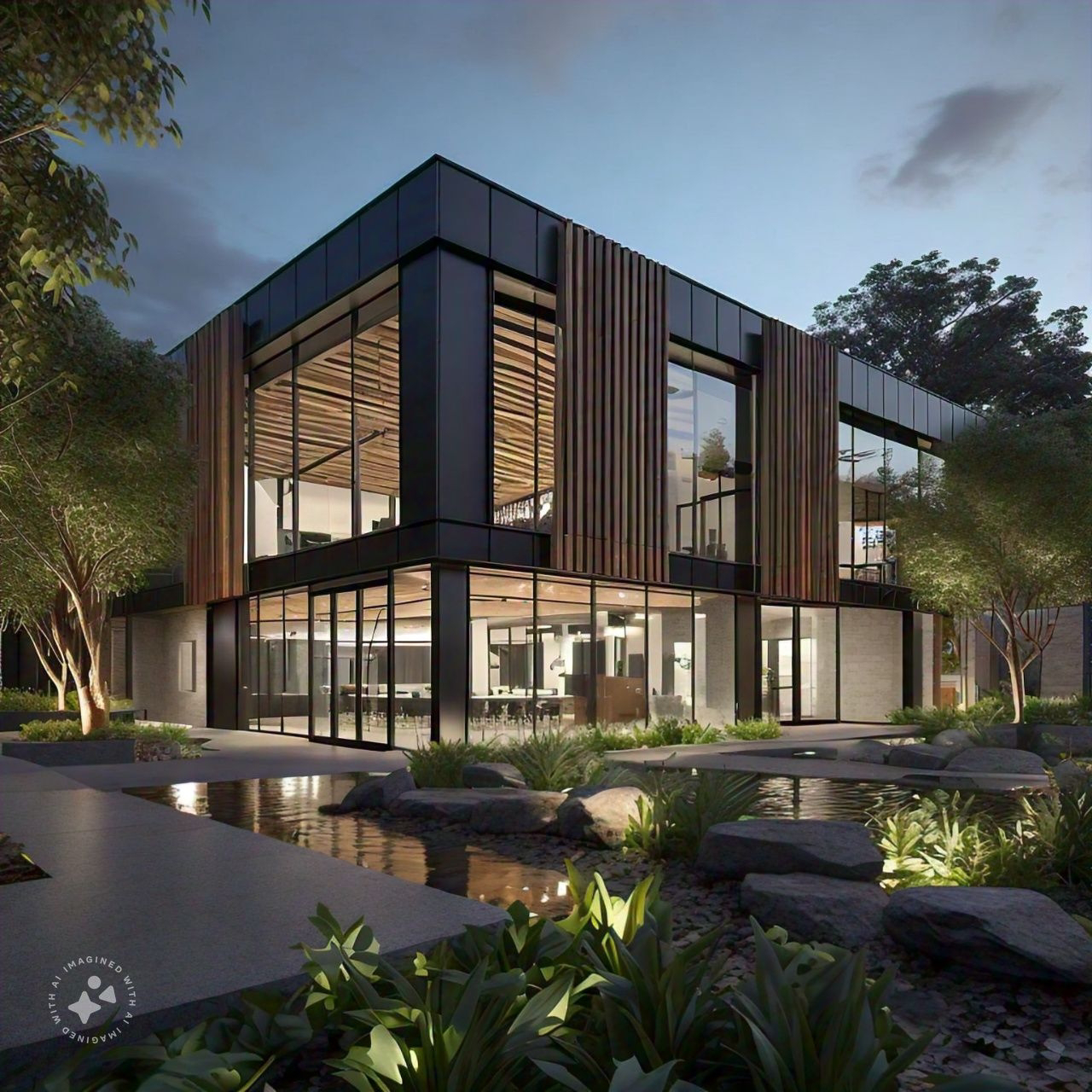
Green building consultants face increasing pressure to balance stringent sustainability goals with aesthetic and functional designs. While architectural and structural elements often dominate the conversation, landscapes can significantly impact green building performance, particularly through water management. Effective landscape architecture integrates resilient planting, water-efficient strategies, and biodiversity, adding measurable value to green certifications while enhancing property appreciation.
The Value of Landscape Architecture in Green Building Standards
Measurable Impacts on Green Certifications:
Landscape interventions play a direct role in certification metrics across systems:
LEED v4: 50% of water credits under the Water Efficiency category depend on irrigation and landscape water-use reduction strategies.
IGBC Green Homes: Encourages native species and site water balance, allocating up to 10% of overall points to landscaping and water management.
GRIHA: Promotes on-site rainwater harvesting and irrigation efficiency, awarding points based on reduced dependency on municipal water.
Financial Value Addition:
Sustainable landscapes not only enhance certification scores but also increase the marketability and valuation of properties:
Properties with green certifications, including sustainable landscapes, see a 10–20% higher market value compared to conventional developments.
Studies show that well-designed landscapes can reduce energy costs by up to 25% due to better microclimate control and shading.
Case Study: Resilient Landscaping for a Green Certified Commercial Hub
Project Overview
Location: Bangalore, Karnataka
Objective: Achieve IGBC Platinum certification with emphasis on water conservation and reduced operational costs.
Challenge: Optimize landscaping for water conservation and aesthetic appeal in an arid, urban context.
Landscape Interventions
1. Water Management:
Installed rain gardens to capture 80% of runoff, filtering and recharging groundwater.
Designed bioswales integrated into pathways for stormwater management.
Established a treated graywater irrigation system, reducing reliance on freshwater by 60%.
2. Resilient Planting:
Used drought-tolerant species like Lantana, Cassia, and Bougainvillea.
Achieved a 40% reduction in irrigation demand with mulching and soil conditioning.
3. Permeable Paving and Green Roofs:
Permeable pavers reduced surface runoff by 50%, creating cooler surfaces.
Green roofs with native grasses mitigated heat islands and added biodiversity.
Results and Value Added
Water Savings: Achieved 70% reduction in potable water use for landscaping.
Certification: Earned maximum water efficiency points, achieving IGBC Platinum.
Property Value: Increased by 18% within three years due to high certification levels and lower operational costs.
Resilient Planting: A Keystone in Water Conservation
Data Supporting Resilient Planting
Native and drought-tolerant plants can survive on 30–40% less water compared to ornamental species.
Landscapes designed with native flora have up to 75% lower maintenance costs, benefiting long-term operational efficiency.
Illustrative Comparison:
Conventional Landscaping: Requires 20,000 liters of water/month for a 1-acre site.
Resilient Landscaping: Reduces consumption to 8,000 liters/month, a 60% reduction.
Financial and Environmental Benefits of Sustainable Landscapes
1. Operational Savings
Reduced water and energy costs result in 5–10% annual savings in opex for building owners.
2. Biodiversity and Microclimate Improvement
Landscapes with layered planting attract 20% more pollinators and create cooler microclimates, enhancing user comfort.
3. Market Appeal
Properties with visibly green, sustainable landscapes attract higher occupancy rates in commercial and residential sectors.
Why Partner with a Landscape Architect?
Landscape architects bring the expertise needed to align water management, planting strategies, and sustainability goals with green certification benchmarks. This collaboration ensures:
Efficient Design: Tailored solutions that minimize resource use while maximizing certification outcomes.
Higher Returns: Enhanced property valuation due to sustainable, aesthetic landscapes.
Future-Ready Spaces: Designs that mitigate climate risks and improve long-term resilience.
Role of Horticulturists and Nursery Professionals in Sustainable Projects
1. Plant Selection and Propagation
Horticulturists specialize in identifying and growing native and climate-appropriate plants, which are vital for water conservation and biodiversity credits under rating systems like LEED, IGBC, and GRIHA.
Nursery professionals ensure the availability of high-quality plants, including drought-tolerant species, low-maintenance varieties, and pollinator-attracting flora required for sustainable landscaping.
2. Maintenance Planning
Horticulturists develop maintenance schedules to minimize water use, fertilizer application, and pruning needs, contributing to reduced operational costs and environmental impact.
By adopting organic practices, they ensure compliance with credits for avoiding chemical fertilizers and pesticides under green certification standards.
3. Tree Transplantation and Preservation
Horticulturists are instrumental in tree preservation during construction and the transplantation of mature trees to meet ecological balance requirements, which is often a prerequisite for certifications like IGBC and GRIHA.
4. Soil and Nutrient Management
They enhance soil health through organic amendments and practices like mulching, crucial for water retention and reducing reliance on artificial irrigation.
5. Education and Awareness
Horticulturists and nursery professionals often educate clients and stakeholders about best practices for plant health and water efficiency, directly contributing to achieving certification goals.
Impact of Horticulturists and Nursery Professionals on Rating Systems:
Water Efficiency: Expert plant selection and irrigation planning reduce water consumption, helping earn points under LEED’s Water Efficiency category.
Biodiversity: Promoting native species and pollinator habitats aids in achieving IGBC’s biodiversity credits.
Sustainable Sites: Soil and planting strategies align with GRIHA’s guidelines for site ecology restoration.
Innovation: Organic nursery practices can contribute to WELL and other certification systems’ innovation credits.
Collaborative Opportunities
Horticulturists and landscape architects often collaborate to maximize the sustainability of a project. For instance:
Plant Sourcing: Landscape architects identify plant types based on design goals and site needs; horticulturists ensure the right species are propagated and supplied.
Water Management: Landscape architects design rain gardens and irrigation systems; horticulturists determine the specific plants and soil amendments for optimal performance.
Resilience Planning: Landscape architects create long-term plans for site performance, while horticulturists provide insight into plant adaptability and maintenance.
Unique Value of Landscape Architects in Green Projects
While horticulturists and nursery professionals focus on plant and soil health, landscape architects take a broader approach to integrate these elements into the overall design and ensure compliance with rating systems. They:
1. Align the project with site-wide sustainability goals (e.g., stormwater management, biodiversity corridors).
2. Optimize capex and opex by designing landscapes that balance aesthetics, functionality, and maintenance.
3. Contribute directly to points across multiple certification categories, including energy, water, and materials.
Horticulturists and nursery professionals are crucial for ensuring the biological success of sustainable projects, while landscape architects provide the strategic and technical vision needed to meet certification standards. Together, they create landscapes that are not only environmentally responsible but also impactful for achieving higher green ratings.
Conclusion and Call to Action
Water management and resilient planting are not just components of a sustainable landscape—they are critical value drivers for green building projects. At Greenscape Designz, we specialize in designing landscapes that integrate seamlessly with certification systems, elevating property value while conserving resources.
Call to Action:
“Are you ready to elevate your green building project with expert landscape design? Contact us at Greenscape Designz to create innovative, sustainable landscapes that meet certification standards and enhance property value.”