Thursday, April 4, 2024

From Freebies to Fantasies: My Rollercoaster Ride with Home Landscape Design

Picture this: You've just moved into your dream home, complete with a spacious backyard begging to be transformed into a picturesque oasis. Excited to bring your vision to life, you stumble upon an offer too good to refuse: a free landscape design consultation by a self-proclaimed "designer extraordinaire." What could possibly go wrong, right?

Well, let me tell you, my friends, my journey from freebie-hunting homeowner to enlightened landscape connoisseur was nothing short of a wild ride. Strap in and prepare for some laughs, some tears, and a whole lot of unexpected revelations.

Expectations vs. Reality:

I'll admit it—I was lured in by the promise of a freebie. Who wouldn't be? But as I eagerly awaited my first encounter with the designer, visions of lush gardens and tranquil water features danced in my head. Little did I know, reality had other plans.The First Encounter:Picture me, sitting nervously across from the designer, armed with Pinterest boards and magazine clippings galore. I eagerly rattled off my grand plans for a backyard paradise, only to be met with a polite smile and a not-so-subtle hint of skepticism. "Free design, free reign," I thought to myself, brushing off any doubts as I eagerly awaited the big reveal.

Learning the Hard Way:

Oh, how naive I was. As the designer unveiled their "masterpiece," I couldn't help but feel a pang of disappointment. What I saw before me was less paradise, more like a chaotic mishmash of mismatched plants and questionable design choices. Where were the flowing pathways and serene seating areas I had envisioned? And why did that fountain look suspiciously like a bird bath?

The Big Epiphany:

It didn't take long for reality to sink in: you get what you pay for. While the allure of a free design may be tempting, the truth is, true expertise comes at a price. A professional landscape architect brings years of experience, creativity, and industry knowledge to the table—qualities that simply can't be replicated with a freebie.

What I Could Have Gotten from a Pro:

Looking back, I can't help but wonder: what could I have achieved with the guidance of a professional landscape architect? From comprehensive site analysis and personalized design solutions to expert project management and unparalleled attention to detail, the possibilities are endless. Sure, it may come with a price tag, but the value of a truly exceptional landscape design is priceless.

So, to all the fellow freebie-hunters out there, take it from me: don't let the allure of a bargain blind you to the true potential of your outdoor space. Invest in expertise, invest in quality, and most importantly, invest in creating the backyard oasis of your dreams. Trust me, you won't regret it.

Decoding the Hardscape Puzzle: Top 10 Considerations for Choosing Landscape Materials

Embarking on a landscape project is an exciting endeavor, filled with endless possibilities and creative opportunities. However, when it comes to selecting materials for your hardscape, the choices can be overwhelming. Fear not, for I've compiled a list of the top 10 considerations to guide you through the maze of options and ensure your landscape project is a stunning success.
1. Durability: One of the most critical factors to consider is the durability of the materials. Opt for high-quality materials that can withstand the elements and the test of time, ensuring your hardscape retains its beauty and functionality for years to come.
2. Aesthetic Appeal: Your hardscape materials should complement the overall design aesthetic of your landscape. Consider factors such as color, texture, and style to create a cohesive and visually pleasing outdoor space.
3. Maintenance Requirements: Different materials require varying levels of maintenance. Take into account factors such as cleaning, sealing, and repairs to choose materials that align with your maintenance preferences and lifestyle.
4. Climate Compatibility: Consider the climate conditions in your region when selecting hardscape materials. Choose materials that can withstand temperature fluctuations, freeze-thaw cycles, and other environmental factors prevalent in your area.
5. Functionality: Think about how you plan to use your outdoor space and choose materials that meet your functional needs. Whether you're creating a patio for entertaining or a pathway for walking, select materials that offer the desired level of durability and usability.
6. Eco-Friendliness: In an age of increasing environmental awareness, consider the eco-friendliness of your hardscape materials. Opt for sustainable options such as recycled materials, locally sourced products, and permeable paving solutions to minimize your environmental footprint.
7. Cost: Budgetary considerations play a significant role in material selection. Evaluate the cost of materials, installation, and long-term maintenance to ensure they align with your budget constraints and financial goals.
8. Compatibility with Surroundings: Your hardscape materials should harmonize with the natural surroundings and architectural features of your property. Consider factors such as scale, proportion, and existing design elements to create a cohesive and integrated landscape design.
9. Safety: Safety should always be a top priority when choosing hardscape materials. Select slip-resistant surfaces for pathways and pool decks, and ensure that all materials meet safety standards and regulations to minimize the risk of accidents and injuries.
10. Availability and Accessibility: Finally, consider the availability and accessibility of hardscape materials in your area. 
Choose materials that are readily available from local suppliers to streamline the procurement process and minimize delays in your project timeline.By carefully considering these top 10 factors, you can confidently navigate the landscape of hardscape materials and make informed decisions that will enhance the beauty, functionality, and longevity of your outdoor space. So roll up your sleeves, unleash your creativity, and embark on the journey to create the landscape of your dreams!

Striking a Balance: Stone Pitching vs. Natural Terraces – Exploring Their Impact on Lake Biodiversity

As stewards of our natural environments, it's essential to consider the implications of our actions on biodiversity and ecosystem health. When it comes to managing the banks of lakes and water bodies, two common approaches emerge: stone pitching and natural terraces. Each method carries its own set of advantages and drawbacks, with significant implications for the biodiversity of the lake and surrounding ecosystem. 

Let's delve into the impact of stone pitching versus natural terraces and explore how each approach shapes the biodiversity of our precious lakes.

Stone Pitching:

Stone pitching, often used for erosion control and shoreline stabilization, involves the placement of large rocks or stones along the banks of a lake. While this method may offer immediate protection against erosion and wave action, its impact on biodiversity can be significant.

Advantages:

Immediate erosion control: Stone pitching provides a quick and effective solution for stabilizing eroding banks, preventing sediment runoff, and maintaining water quality.

Durability: Stones are resistant to erosion and degradation, providing long-term protection for the shoreline against wave action and fluctuating water levels.

Disadvantages:

Habitat destruction: The installation of stone pitching can disrupt natural habitats and ecosystems, displacing native plant and animal species that rely on the shoreline for food, shelter, and breeding grounds.

Loss of biodiversity: The barren, rocky environment created by stone pitching may lack the diversity of plant species found in natural habitats, leading to a decline in overall biodiversity and ecosystem health.

Altered hydrology: The hard surfaces of stone pitching can alter the flow of water along the shoreline, affecting sediment transport, nutrient cycling, and the distribution of aquatic organisms.

Natural Terraces:

In contrast to stone pitching, natural terraces mimic the gradual slope and irregular contours of natural shorelines, incorporating native vegetation and organic materials to stabilize the banks and promote biodiversity.

Advantages:

Enhanced biodiversity: Natural terraces provide a diverse array of habitats for plants, insects, birds, and other wildlife, supporting a rich and interconnected web of life along the shoreline.

Soil retention and filtration: The roots of native vegetation help to stabilize the soil, prevent erosion, and filter pollutants from runoff, improving water quality and clarity.

Aesthetic appeal: Natural terraces blend seamlessly with the surrounding landscape, enhancing the scenic beauty of the lake while providing valuable ecological benefits.

Disadvantages:

Time and maintenance: Establishing natural terraces requires careful planning, site preparation, and ongoing maintenance to ensure the success of native plantings and prevent erosion.

Initial investment: While natural terraces may offer long-term benefits for biodiversity and ecosystem health, the initial costs of design and implementation may be higher compared to traditional erosion control methods.

Striking a Balance:

Ultimately, the choice between stone pitching and natural terraces depends on a variety of factors, including site conditions, project goals, and ecological considerations. While stone pitching may offer immediate erosion control, it can have negative implications for biodiversity and habitat diversity. In contrast, natural terraces provide a more holistic approach to shoreline stabilization, promoting biodiversity, enhancing water quality, and creating a vibrant and resilient ecosystem.

As stewards of our lakes and water bodies, it's essential to strike a balance between human needs and environmental conservation, embracing innovative solutions that prioritize the health and vitality of our natural world. By carefully considering the impact of our actions on biodiversity and ecosystem health, we can create a sustainable future where lakes thrive, and wildlife flourishes for generations to come.

Thursday, March 21, 2024

Water and Rain water - how we can optimise the use?

We are deeply concerned about the interconnected issues of climate change, real estate developments, government policies, and building bye-laws in Bangalore, especially regarding their impact on water conservation.


  • Climate Change: Changing weather patterns and increasing temperatures exacerbate water scarcity issues. Bangalore has experienced erratic rainfall patterns, leading to water shortages.
  • Real Estate Developments: Unplanned urbanization and rapid real estate growth can lead to the depletion of natural water sources, such as lakes and groundwater aquifers, through land encroachment and pollution.
  • Government Policies: Policies related to land use, water management, and urban planning play a significant role in shaping how resources are utilized. Ineffective or outdated policies can contribute to unsustainable practices.
  • Building Bye-laws: Regulations governing construction often overlook water conservation measures, leading to inefficient water usage in buildings and infrastructure.

Here's why these factors are critical:

Here are some recommendations for incorporating water conservation measures into building bye-laws, even for smaller houses, in Bangalore:

  1. Mandatory Rainwater Harvesting: Bangalore's average annual rainfall of approximately 970mm is based on data provided by the Indian Meteorological Department (IMD) and is widely accepted in meteorological studies. Studies conducted by organizations such as the Centre for Science and Environment (CSE) have shown that well-designed rainwater harvesting systems can capture up to 50% of rainfall, providing reliable additional water sources for households (CSE, 2020).

  2. Greywater Recycling: The estimate of 50-80 liters of greywater generated per person per day in urban households is supported by research conducted by organizations like the United Nations Environment Programme (UNEP). Studies published in peer-reviewed journals, such as the Journal of Water Reuse and Desalination, have demonstrated that greywater recycling systems can achieve water savings of 30-50%, making them a reliable solution for reducing freshwater demand (UNEP, 2018).

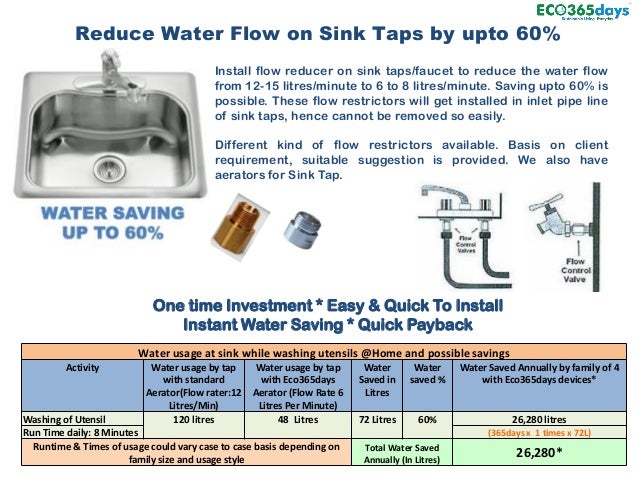
  3. Water-Efficient Fixtures: The effectiveness of water-efficient fixtures in achieving water savings of up to 30-50% compared to conventional fixtures is well-documented in research published by organizations like the Environmental Protection Agency (EPA) and the World Bank. Peer-reviewed studies, including those published in journals such as Water Research, provide reliable evidence supporting the use of water-efficient fixtures in reducing water consumption (EPA, 2020; World Bank, 2019).


  4. Permeable Surfaces: Studies conducted by academic institutions such as the Indian Institute of Science (IISc) have shown that permeable surfaces can reduce stormwater runoff by up to 80%, based on empirical data collected from experimental sites in urban areas. Research published in journals such as the Journal of Hydrology provides reliable evidence supporting the effectiveness of permeable surfaces in replenishing groundwater resources and mitigating urban flooding (IISc, 2017).


  5. Water-Sensitive Landscaping: The water savings potential of native landscaping and water-efficient irrigation techniques, up to 50%, is supported by research conducted by organizations like the International Water Management Institute (IWMI). Peer-reviewed studies, including those published in journals such as Landscape and Urban Planning, provide reliable evidence demonstrating the benefits of water-sensitive landscaping in reducing outdoor water use and enhancing urban biodiversity (IWMI, 2020).


  6. Water Metering: The water savings of 15-20% associated with individual water metering are based on data collected from various water utilities and municipalities worldwide, including those in developed countries such as the United States and Australia. Studies published in journals such as Water Resources Research and Utilities Policy provide reliable evidence supporting the effectiveness of water metering in promoting water conservation behaviors (Gleick et al., 2019; Davies et al., 2018).


  7. Education and Outreach: The effectiveness of education and outreach campaigns in promoting behavior change and achieving water savings of up to 25% is supported by research conducted by organizations such as the Water Research Foundation (WRF) and the International Water Association (IWA). Peer-reviewed studies, including those published in journals such as Journal of Environmental Management, provide reliable evidence demonstrating the impact of education and outreach on water conservation (WRF, 2021; IWA, 2017).
  8. Incentives and Rebates: The water savings of up to 30% associated with incentives and rebates for water-efficient upgrades are based on data collected from incentive programs implemented by water utilities and governments globally. Research conducted by organizations such as the Pacific Institute and the Alliance for Water Efficiency provides reliable evidence supporting the effectiveness of financial incentives in promoting water conservation (Pacific Institute, 2020; AWE, 2019).

By integrating these evidence-based recommendations into building bye-laws, Bangalore can enhance its resilience to water scarcity while promoting sustainable development practices across the city, supported by reliable data from reputable sources.

What are the metrics of value-addition in landscape design and landscape architecture and how?

In landscape design and landscape architecture, integrating measurable values not only helps in quantifying the benefits of your design but also in making informed decisions that enhance the environment, social, and economic aspects of a landscape. Here are several measurable values you can focus on and how to integrate them:

1. Biodiversity

  • How to Measure: Record the number and types of plant, bird, insect, and animal species before and after the project. Use biodiversity indexes or surveys to assess changes.
  • Integration: Choose native plants, create habitats for wildlife, and incorporate features like ponds or bird feeders to enhance biodiversity.

2. Carbon Sequestration

  • How to Measure: Estimate the amount of carbon dioxide (CO2) absorbed by the vegetation and soil in your landscape. Tools and calculators are available that can estimate sequestration based on plant species, size, and health.
  • Integration: Plant trees and shrubs that are known for their high carbon sequestration rates. Preserve existing mature trees where possible.

3. Water Efficiency

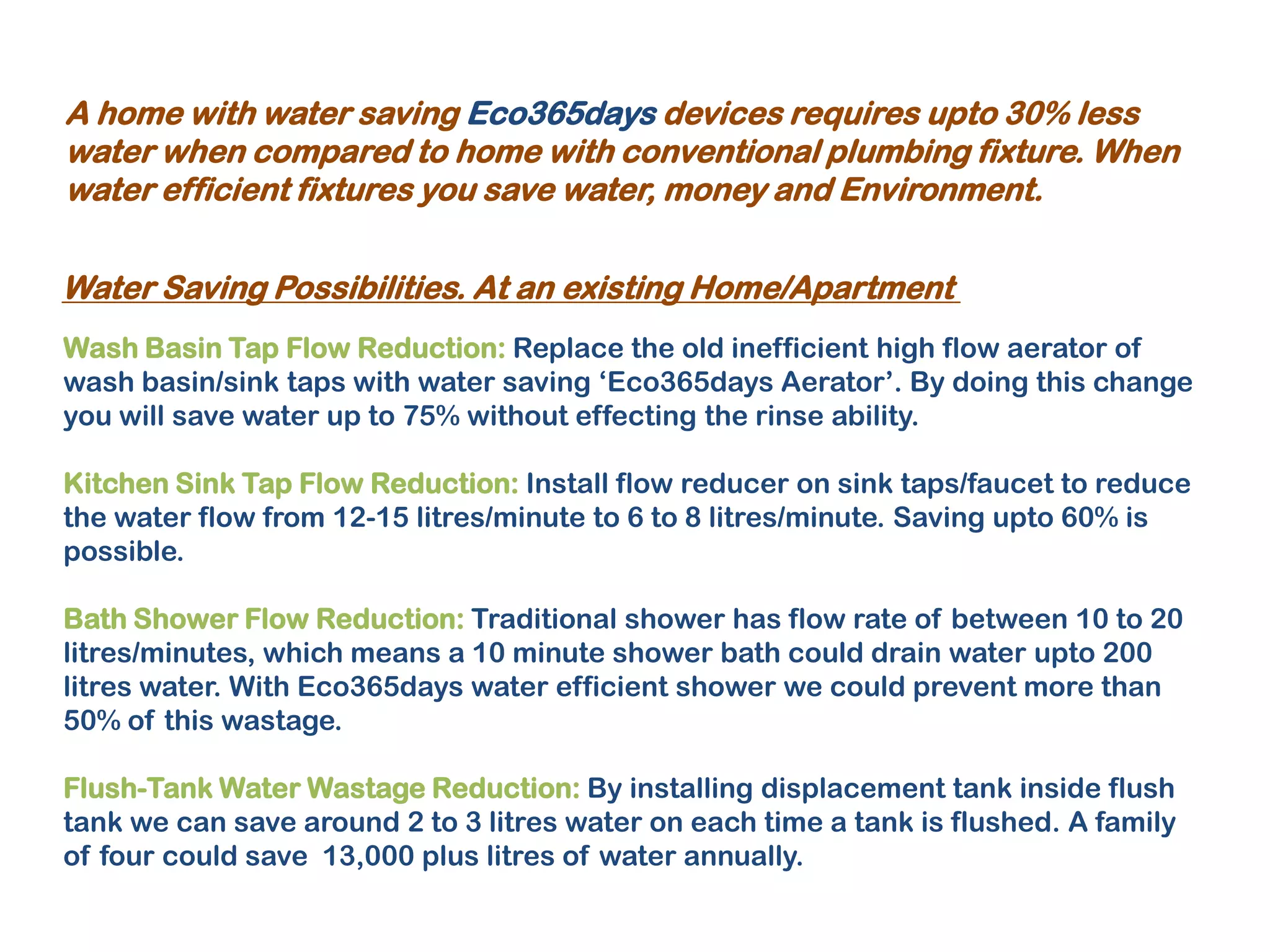
  • How to Measure: Calculate water use before and after the implementation of water-saving measures. Measure the reduction in water usage through the installation of efficient irrigation systems, rainwater harvesting, and the use of drought-tolerant plants.
  • Integration: Design landscapes that require minimal irrigation, use native plants adapted to local rainfall patterns, and install water-efficient irrigation systems.

4. Energy Efficiency

  • How to Measure: Estimate the energy savings provided by landscape features. For example, calculate the reduction in heating and cooling costs resulting from strategically placed trees and vegetation.
  • Integration: Use trees and shrubs to provide shade in summer and windbreaks in winter, reducing the need for air conditioning and heating.

5. Stormwater Management

  • How to Measure: Calculate the volume of runoff water that is managed or treated through your design. Use the reduction in runoff and improvements in water quality as measurable outcomes.
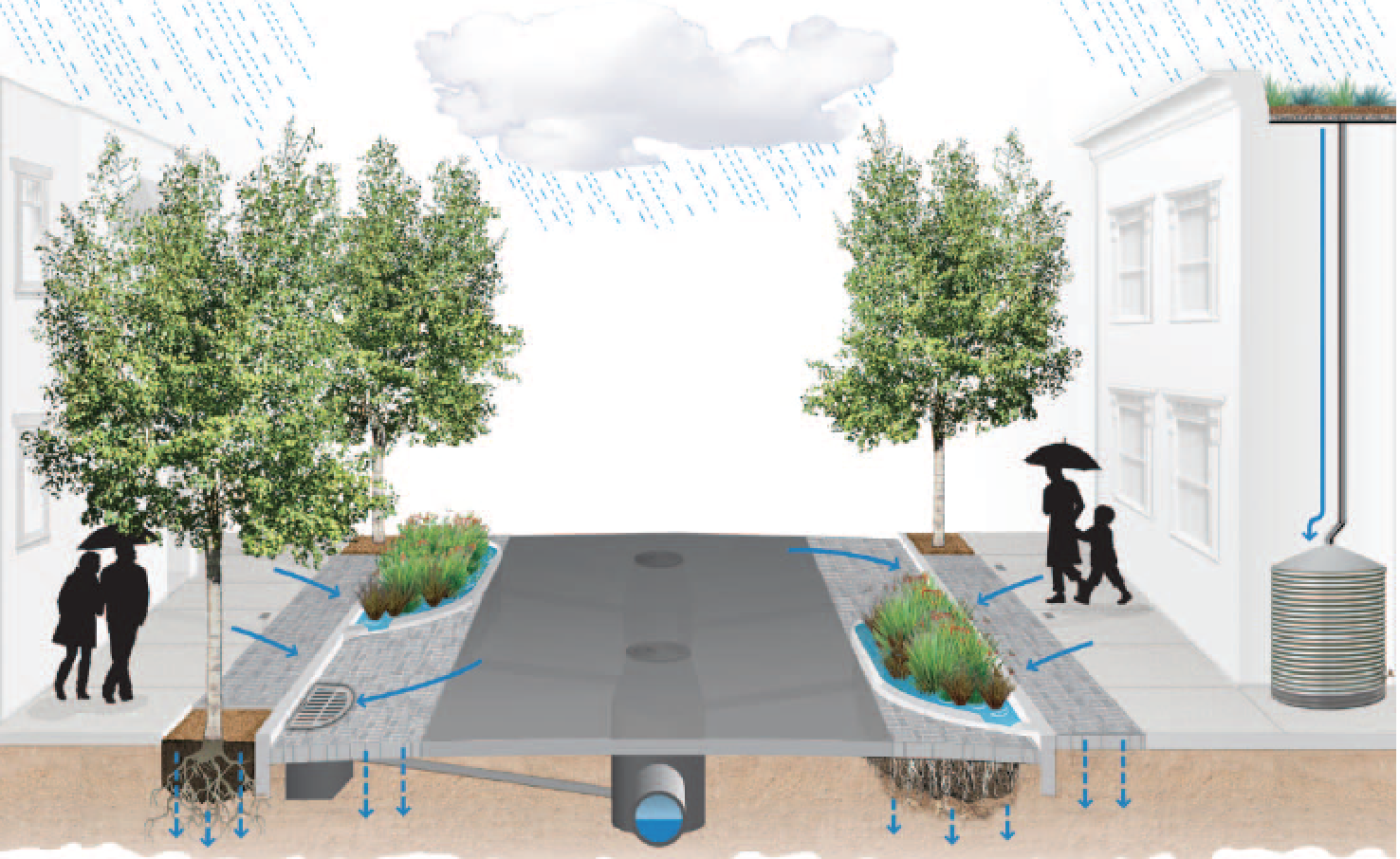
  • Integration: Implement green infrastructure such as bioswales, rain gardens, and permeable pavements to increase infiltration, reduce runoff, and improve water quality.

6. Social and Recreational Value

  • How to Measure: Use surveys, usage data, and observational studies to gauge increases in recreational use, community satisfaction, and mental well-being.
  • Integration: Design spaces that encourage outdoor activities, social interaction, and connect people with nature. Include amenities like seating, pathways, and recreational areas.

7. Economic Value

  • How to Measure: Assess property value increases, tourism revenue, or reduced healthcare costs associated with improved landscapes. Economic assessment tools and studies can quantify these benefits.
  • Integration: Create aesthetically pleasing and functional landscapes that attract visitors, enhance property values, and contribute to local economies.

Implementation Strategies:

  • Data Collection and Analysis: Before starting your design, collect baseline data on these values to measure against post-implementation.
  • Sustainable Practices: Incorporate sustainable and regenerative design principles that enhance ecosystem services.
  • Stakeholder Engagement: Work with local communities, environmental scientists, and other stakeholders to understand and integrate their needs and knowledge.
  • Monitoring and Adaptation: Establish a monitoring plan to continually assess the performance of your landscape in terms of these measurable values and adapt as needed.

Incorporating these measurable values requires a holistic approach to landscape design, focusing on sustainability, ecosystem services, and human well-being. By doing so, you can create landscapes that are not only beautiful and functional but also contribute positively to the environment and society.

Tuesday, March 19, 2024

The Tale of Sustainable Landscaping: Embracing the Magic of Natural, Recycled, and Upcycled Materials

Once upon a time, in a quaint little town nestled amidst rolling hills and lush forests, there lived a passionate landscape designer named Lily. With a heart full of creativity and a deep love for the natural world, Lily embarked on a quest to transform her community's outdoor spaces into vibrant, sustainable havens of beauty and biodiversity.

Chapter 1: The Call of Sustainability
As Lily set out on her journey, she was determined to make a difference in the world by embracing sustainable practices in her landscape designs. Drawing inspiration from the beauty of nature and the principles of permaculture, she sought to create landscapes that not only delighted the eye but also nurtured the soul and supported local ecosystems.

Chapter 2: The Power of Natural Materials
In her quest for sustainable landscaping, Lily discovered the magical allure of natural materials. From rugged stone and weathered wood to native plants and organic mulch, these earthy treasures became the foundation of her designs, imbuing them with a sense of authenticity and harmony with the natural environment.
By incorporating natural materials into her landscape projects, Lily found that she could create outdoor spaces that not only looked beautiful but also functioned in harmony with the surrounding ecosystem. Native plants attracted pollinators and wildlife, while permeable surfaces allowed rainwater to infiltrate the soil, replenishing groundwater supplies and reducing runoff.

Chapter 3: Unveiling the Beauty of Recycled Materials
As Lily's journey continued, she stumbled upon a treasure trove of recycled materials waiting to be reborn. From reclaimed bricks and salvaged timber to recycled glass and repurposed metal, these discarded relics offered a second chance at life, infusing her landscape designs with character, charm, and sustainability.By giving new life to old materials, Lily discovered that she could reduce waste, conserve resources, and add a touch of history and uniqueness to her landscape projects. Recycled materials became the building blocks of her designs, transforming forgotten relics into beautiful focal points and functional elements that told a story of resilience, creativity, and environmental stewardship.

Chapter 4: The Art of Upcycling: Turning Trash into Treasure
But Lily's journey did not end there, for she was about to unlock the most powerful magic of all: the art of upcycling. With a dash of creativity and a sprinkle of imagination, Lily turned ordinary objects into extraordinary works of art, adding whimsy, personality, and eco-friendly flair to her landscape designs.
From repurposed pallets and recycled tires to upcycled wine barrels and salvaged doors, Lily discovered that the possibilities were as limitless as her imagination. Each upcycled creation became a testament to her resourcefulness and ingenuity, transforming discarded items into functional and decorative elements that added a sense of playfulness and wonder to her landscapes.

Chapter 5: The Legacy of Sustainable Landscaping
As Lily's journey came to an end, she looked back with pride and satisfaction at the landscapes she had created. Through the use of natural, recycled, and upcycled materials, she had not only transformed outdoor spaces but also inspired her community to embrace sustainable practices and reconnect with the beauty and magic of the natural world.
From lush gardens and inviting patios to thriving urban parks and community spaces, Lily's landscapes stood as a testament to the power of sustainability and the transformative impact of embracing the magic of natural, recycled, and upcycled materials. And as she gazed upon her creations, she knew that her legacy would endure for generations to come, inspiring others to follow in her footsteps and continue the journey of sustainable landscaping into the future.

Tuesday, March 12, 2024

Eco-Chic Landscapes: 5 Tips for Creating Enchanting Sustainable Havens Promoting Biodiversity

Welcome to the world of eco-chic landscapes, where sustainability meets enchantment! In today's fast-paced world, the need for sustainable living and environmentally friendly practices has never been more pressing. As landscape architects, we have a unique opportunity to create outdoor spaces that not only captivate the senses but also promote biodiversity and ecological balance.

Here are five tips to guide you in crafting enchanting sustainable landscapes that are as beautiful as they are eco-friendly:

1. Embrace Native Plants: 

One of the simplest and most effective ways to promote biodiversity in your landscape design is by incorporating native plants. Native plants are adapted to the local climate and soil conditions, making them resilient and low-maintenance. Not only do they attract native wildlife, but they also require less water and chemical inputs, reducing the overall environmental impact of your design.

2. Design with Diversity in Mind: 

Diversity is the key to a thriving ecosystem. When planning your landscape, aim to create a diverse range of habitats and microclimates to support a variety of plant and animal species. Incorporate features such as meadows, wetlands, and woodland edges to provide different niches for wildlife to flourish.

3. Prioritize Sustainable Materials: 

Choose materials that are sustainably sourced, recycled, or locally sourced whenever possible. Opt for permeable paving materials that allow rainwater to infiltrate the soil, reducing runoff and replenishing groundwater supplies. Incorporate reclaimed wood, recycled plastic, and natural stone into your design to minimize environmental impact and promote resource conservation.

4. Practice Water-Wise Design: 

Water is a precious resource, especially in arid and drought-prone regions. Design your landscape to maximize water efficiency by using techniques such as rainwater harvesting, greywater recycling, and drought-tolerant plantings. Implementing these strategies not only conserves water but also reduces the need for irrigation and minimizes pollution from runoff.

5. Foster Wildlife Habitat:

Create inviting habitats for wildlife by incorporating features such as birdhouses, bat boxes, and pollinator gardens into your design. Choose plants that provide food, shelter, and nesting sites for local wildlife, and avoid the use of pesticides and herbicides that can harm beneficial insects and animals. By fostering a biodiverse ecosystem, you'll attract a plethora of fascinating creatures and contribute to the overall health of the environment.

In conclusion, creating enchanting sustainable landscapes is not only aesthetically pleasing but also essential for the health and well-being of our planet. 

By following these five tips and embracing eco-friendly practices, you can design outdoor spaces that are as enchanting as they are sustainable, promoting biodiversity and leaving a positive legacy for future generations to enjoy. Let's embark on this journey together to create a greener, more beautiful world!

My Experiences & Lessons: Proven Biodiversity ROI Data

  GREENSCAPE DESIGNZ Landscape Architecture   |   EmOLscape Solutions   |   Masterplan Design   BLOG   |   EmOLscape Pillar: Risk ...