Monday, September 23, 2024
Rethinking Urban Storm Drains for Resilient Cities
Wednesday, September 11, 2024
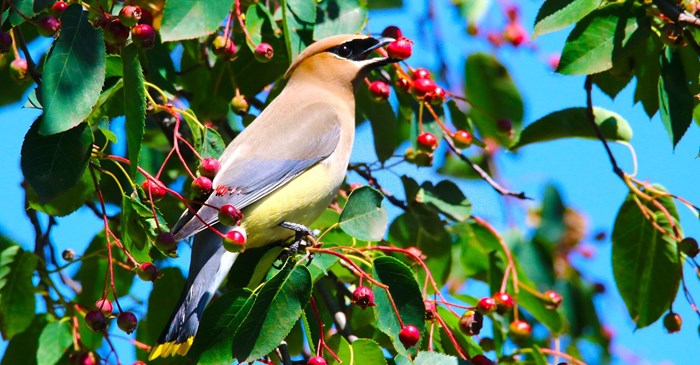
Silent Cities: How selective planting is dimming the songs of Birds
Introduction:
In the modern urban jungle, the soothing symphony of bird songs has become an increasingly rare melody. While cities are adorned with lush greenery and carefully curated landscapes, there's a hidden cost to the emphasis on ornamental beauty: the silence of our feathered friends. Selective horticultural practices that prioritize aesthetic appeal over ecological balance are contributing to the decline of bird populations in cities. Yet, there’s hope. By embracing sustainable landscape practices and mindful design, we can restore the harmony of bird songs in our urban environments.
- Habitat loss and fragmentation: When natural habitats are replaced with selectively planted landscapes, birds may lose their native environments, leading to reduced populations and less singing.
- Limited food sources: Selective planting can result in a lack of diverse food sources, making it harder for birds to survive and sing.
- Reduced nesting sites: With fewer native plants, birds may struggle to find suitable nesting sites, affecting their ability to reproduce and sing.
- Increased noise pollution: Selective planting can lead to more human activity, generating noise that drowns out bird songs.
- Changes in bird behavior: Altered landscapes can cause birds to adapt their behavior, potentially reducing singing activity.
As we strive to create beautiful and functional outdoor spaces, we often overlook the impact of our planting choices on the natural world. Selective planting, where specific plants are chosen for their aesthetic or practical value, can have far-reaching consequences for local bird populations. One of the most striking effects is the decline of bird songs, a cherished aspect of nature that brings joy and serenity to our lives.
Habitat Loss and Fragmentation
When natural habitats are replaced with selectively planted landscapes, birds lose their native environments, leading to reduced populations and less singing. A study published in the journal Landscape Ecology found that urbanization and habitat fragmentation can lead to a decline in bird species richness and abundance (1). By planting a diverse range of native species, we can help preserve habitats and support thriving bird communities.
Limited Food Sources
Selective planting can result in a lack of diverse food sources, making it harder for birds to survive and sing. Birds rely on specific plants for food, shelter, and breeding grounds. A study in the Journal of Applied Ecology found that bird populations are influenced by the availability of food resources, particularly insects and seeds (2). By incorporating native plants that provide a variety of food sources, we can support bird populations and encourage singing.
Reduced Nesting Sites
With fewer native plants, birds may struggle to find suitable nesting sites, affecting their ability to reproduce and sing. A study published in the journal Biological Conservation found that nesting success is influenced by the availability of suitable nesting sites (3). By planting native vegetation, we can provide birds with the resources they need to thrive.
Increased Noise Pollution
Selective planting can lead to more human activity, generating noise that drowns out bird songs. A study in the journal Environmental Research Letters found that noise pollution can have negative impacts on bird behavior and communication (4). By creating quiet spaces and minimizing human disturbance, we can help birds sing freely.
Changes in Bird Behavior
Altered landscapes can cause birds to adapt their behavior, potentially reducing singing activity. A study published in the journal Animal Behaviour found that birds may adjust their singing behavior in response to environmental changes (5). By creating landscapes that support natural behavior, we can encourage birds to sing.
The Impact of Selective Planting:
Urban landscaping often leans towards choosing plants that enhance visual appeal—those with vibrant flowers, neatly pruned shrubs, and exotic trees that fit the city's image of modern beauty. However, this selective approach neglects the needs of local wildlife, particularly birds.
Birds rely on specific types of vegetation for food, shelter, and nesting. Native plants produce the fruits, seeds, and insects that are crucial to their diet. But when cities replace native flora with exotic species or overly ornamental plants that offer little ecological value, birds lose vital resources. The result? Fewer birds, less biodiversity, and a quieter city.
Sustainable Landscape Planting: The Solution
To reverse this trend, sustainable landscape planting must become a priority in urban design. Here’s how:
Native Plant Selection: Native plants are adapted to the local climate and soil, requiring less maintenance and providing essential resources for birds. Incorporating these plants into urban landscapes supports not only birds but other wildlife like bees and butterflies, fostering a richer ecosystem.
For inspiration on native plants that attract birds, check out guide on bird-friendly plants. Please find here a list of Native plants in India.
Biodiverse Planting: Creating layers of vegetation with a mix of trees, shrubs, and ground cover mimics natural habitats, providing various food sources and nesting opportunities for birds. This approach creates a self-sustaining ecosystem that requires less human intervention.
See examples of biodiverse urban landscapes here. [Link to images of biodiverse landscapes]
Avoiding Monocultures: While it might be tempting to plant rows of the same tree or shrub for uniformity, monocultures can harm biodiversity. Diverse planting schemes not only support more wildlife but also enhance the resilience of the urban environment against pests and diseases.
Explore the benefits of diverse planting. [Link to articles on the dangers of monocultures]
Addressing Root Zone Compaction:
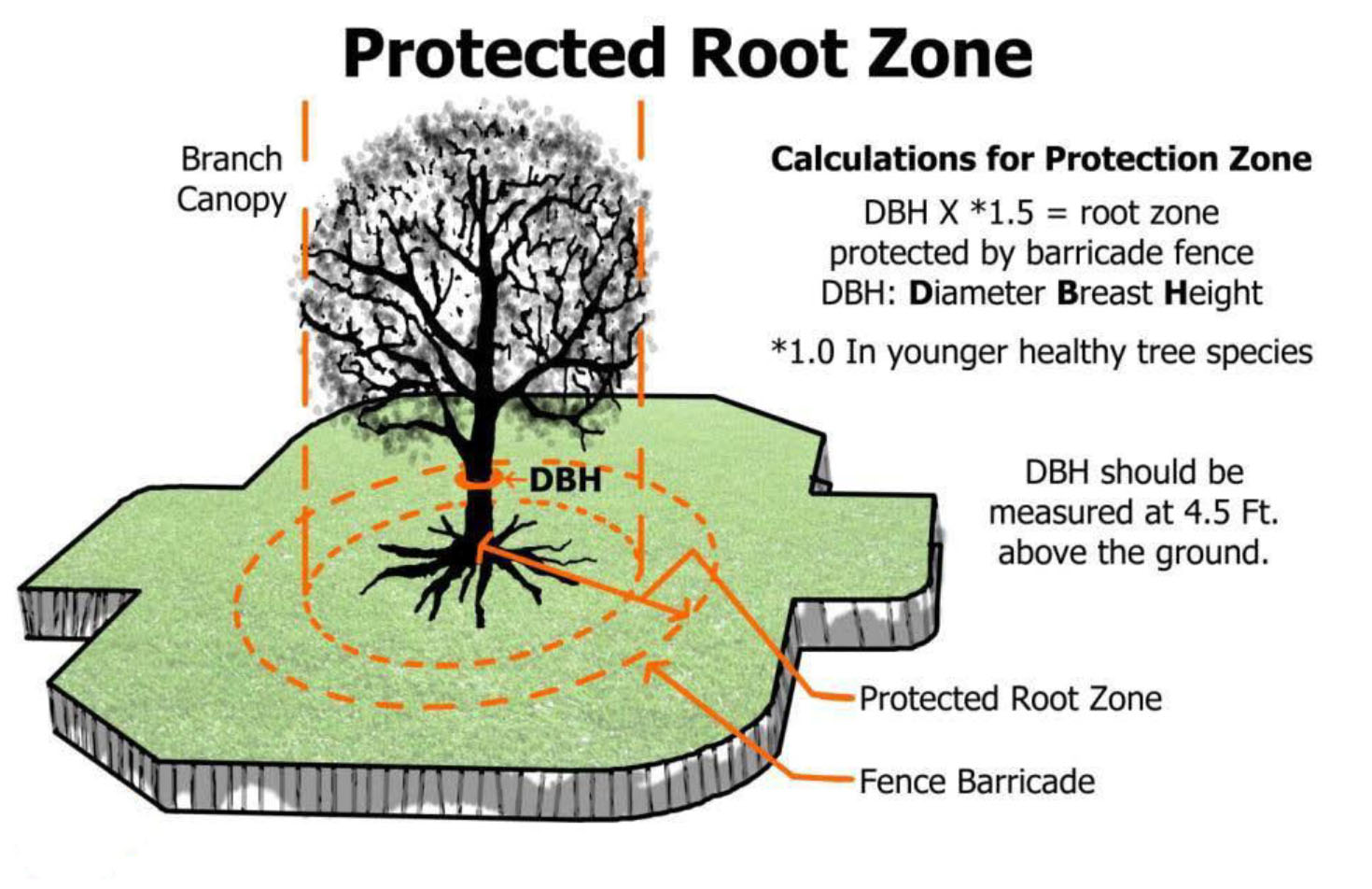
Beyond plant selection, the health of urban trees plays a crucial role in supporting bird populations. One of the most overlooked aspects of tree health is root zone compaction. In cities, the root zones of trees often suffer from compaction due to foot traffic, construction activities, and even the use of heavy machinery.
Compacted soil reduces the ability of tree roots to absorb water, oxygen, and nutrients, leading to weakened trees that are more susceptible to disease and less capable of providing the habitat that birds need. Sustainable design practices, such as using permeable paving materials and creating dedicated root zones, are essential in preventing compaction and ensuring that urban trees can thrive.
Permeable Paving: Using materials that allow water and air to reach the roots reduces compaction and supports healthier trees. It’s a simple change with a significant impact on urban greenery.
Check out examples of permeable paving here. [Link to images of permeable paving designs]Protected Root Zones: Designating areas around trees where foot traffic and construction are minimized can protect root systems from compaction. These zones can be integrated into the overall design of urban spaces, ensuring both functionality and ecological balance.
Learn more about the importance of protecting root zones. [Link to Root zone protection]
The Role of Designers and Planners:
Urban designers and landscape architects play a pivotal role in reversing the decline of bird populations. By prioritizing ecological sustainability over mere aesthetics, they can create urban spaces that are not only beautiful but also teeming with life.
Educating stakeholders about the long-term benefits of sustainable planting and tree protection is key. Developers, city planners, and residents alike need to understand that a thriving urban ecosystem enhances the quality of life for everyone—not just birds.
Call to Action
As we design and manage our outdoor spaces, let's consider the impact on bird populations and their songs. By incorporating native plants, reducing noise pollution, and preserving natural habitats, we can create landscapes that support thriving bird communities. Let's work together to create a world where bird songs continue to fill the air.
Conclusion:
The silence of bird songs in cities is a warning sign, but it’s not too late to restore the balance. By shifting away from purely aesthetic-focused planting and adopting sustainable landscape practices, we can bring back the natural melodies that make our urban environments more vibrant and alive. Every tree planted with care, every plant chosen for its ecological value, and every effort to protect our urban greenery contributes to a future where cities and nature coexist harmoniously.
References:
(1) Landscape Ecology, "Urbanization and habitat fragmentation: A review of the evidence"
(2) Journal of Applied Ecology, "Food availability and bird populations"
(3) Biological Conservation, "Nesting success and habitat quality"
(4) Environmental Research Letters, "Noise pollution and bird behavior"
(5) Animal Behaviour, "Bird song and environmental change"
- Reduced biodiversityHabitat fragmentation can reduce biodiversity by 13–75%. The effects are most pronounced in small, isolated fragments, and worsen over time.
- Ecosystem damageHabitat fragmentation can harm ecosystem functions by reducing biomass and altering nutrient cycles.
- Barrier effectsUrbanization can create barriers that prevent organisms from moving around, which can reduce ecological connectivity.
- Increased risk of diseaseHabitat fragmentation can bring wild animal populations closer to domesticated animals, which can lead to the spread of disease.
- Species extinctionHabitat fragmentation can cause the extinction of many species.
- Historical influencesLand-use history can strongly influence the current distribution of fragments and the condition of the ecosystems within them.
Wednesday, September 4, 2024
Rain Gardens: A Natural Solution to Urban Flooding and Pollution
Imagine a garden that not only enhances the beauty of your landscape but also helps protect your home or Garden from flooding, reduces pollution, and supports local wildlife. Welcome to the world of rain gardens—a powerful yet simple solution to some of our most pressing environmental challenges.
As urban areas continue to expand, so do the challenges of managing stormwater. Traditional drainage systems often struggle to cope with heavy rainfall, leading to flooding, water pollution, and strain on local ecosystems. Rain gardens offer a nature-based solution to these issues, blending functionality with aesthetic appeal.
What is a Rain Garden?
A rain garden is a shallow, landscaped depression that captures and absorbs rainwater runoff from roofs, driveways, and other impermeable surfaces. Unlike traditional gardens, rain gardens are specifically designed to manage and treat stormwater. They are planted with native plants and deep-rooted grasses, which help filter pollutants, reduce erosion, and promote groundwater recharge.
Why Should You Consider a Rain Garden?
Flood Mitigation: By capturing runoff, rain gardens reduce the amount of water that flows into storm drains, mitigating the risk of local flooding.
Water Quality Improvement: Rain gardens act as natural filters, trapping pollutants like fertilizers, pesticides, and oils before they can reach rivers and streams.
Wildlife Habitat: Native plants in rain gardens provide habitat for birds, butterflies, and other wildlife, contributing to local biodiversity.
Cost-Effective and Low Maintenance: Once established, rain gardens require minimal maintenance and can even save money by reducing the need for expensive drainage systems.
How to Create a Rain Garden
Choose the Right Location: Identify low-lying areas where water naturally collects, preferably at least 10 feet away from your home to prevent foundation issues.
Select Native Plants: Opt for a mix of deep-rooted native plants and grasses. Native species are well-adapted to local climate and soil conditions, requiring less water and maintenance.
Prepare the Soil: Dig a shallow depression and amend the soil with compost to improve drainage and nutrient content. The depth will depend on the volume of runoff the garden is expected to handle.
Plant and Mulch: Arrange your plants according to their water needs, with more water-tolerant species in the center. Mulch the garden to retain moisture and reduce weed growth.
Maintain: Water the garden during dry periods in the first year to help establish the plants. After that, rain gardens are generally low maintenance.
Success Stories: Rain Gardens in Action
Communities across the globe have embraced rain gardens as a sustainable solution to urban water management. For instance, in Seattle, USA, the "RainWise" program encourages homeowners to install rain gardens to manage stormwater, significantly reducing combined sewer overflows. Similar initiatives have been successful in Australia, the UK, and India, where rain gardens are being used to combat urban flooding and restore local ecosystems.
Soak Up the Rain: Rain Gardens | US EPA to view a gallery of rain garden designs and installations for inspiration!
https://www.youtube.com/watch?v=Q2EoHBnCCII&themeRefresh=1
Rain Garden Plants:
Monday, August 19, 2024
What are the sustainable design requirements for a villa development
For a villa development project, sustainable design requirements focus on creating a balance between environmental conservation, resource efficiency, and community well-being. Below are key considerations:
1. Site Planning & Land Use
- Low Impact Development: Minimize disturbance to the natural landscape by preserving existing topography, vegetation, and water bodies.
- Efficient Land Use: Plan for optimal building density to allow ample open spaces while maximizing land utility.
- Clustered Development: Group villas in clusters to reduce infrastructure costs and preserve natural habitats.
2. Water Management
- Rainwater Harvesting: Install systems to collect and store rainwater for non-potable uses like irrigation.
- Greywater Recycling: Treat and reuse greywater for landscape irrigation and flushing toilets.
- Stormwater Management: Implement permeable pavements, swales, and retention ponds to manage runoff and enhance groundwater recharge.
- Drought-Resistant Landscaping: Use native and drought-tolerant plants to reduce irrigation needs.
3. Energy Efficiency
- Solar Energy: Install solar panels on villa rooftops to generate renewable energy for the community.
- Passive Design: Design villas for natural ventilation, daylighting, and thermal comfort, reducing reliance on artificial heating and cooling.
- Energy-Efficient Appliances: Incorporate energy-efficient lighting, HVAC systems, and appliances to reduce energy consumption.
- Insulation: Use high-performance insulation materials to improve energy efficiency.
4. Sustainable Materials & Construction
- Eco-Friendly Materials: Use sustainable, locally sourced, and recycled materials in construction.
- Low-Impact Construction Practices: Minimize waste, pollution, and resource use during construction.
- Green Roofing & Walls: Implement green roofs and walls to enhance insulation, reduce heat island effect, and promote biodiversity.
5. Waste Management
- Recycling Facilities: Provide infrastructure for separating and recycling waste at the source.
- Composting: Set up community composting systems for organic waste from households and landscaping.
- Construction Waste Management: Develop a plan to recycle or reuse construction waste and debris.
6. Transportation
- Non-Motorized Transport: Design pedestrian and bicycle-friendly pathways to encourage walking and cycling.
- Electric Vehicle Infrastructure: Provide charging stations and dedicated parking for electric vehicles.
- Shared Transport Options: Consider including shared electric vehicles or shuttle services to reduce the carbon footprint.
7. Biodiversity & Landscaping
- Native Landscaping: Prioritize native plants and trees to support local ecosystems and reduce water usage.
- Wildlife Corridors: Create green spaces that connect habitats and promote biodiversity.
- Edible Gardens: Incorporate community gardens or orchards to promote local food production and community interaction.
8. Community & Social Sustainability
- Shared Spaces: Include community areas like parks, playgrounds, and common areas to foster social interaction and community engagement.
- Health & Wellness: Provide amenities like walking trails, fitness zones, and spaces for outdoor activities to encourage a healthy lifestyle.
- Education & Awareness: Offer programs or resources to educate residents on sustainable living and environmental stewardship.
9. Climate Resilience & Adaptation
- Resilient Infrastructure: Design buildings and infrastructure to withstand extreme weather events.
- Flood Prevention: Ensure effective stormwater management systems to prevent flooding.
- Emergency Preparedness: Incorporate emergency access routes and shelters for community safety during natural disasters.
10. Compliance & Certification
- Green Building Standards: Aim for certifications like LEED, IGBC, or GRIHA to ensure adherence to sustainability best practices.
- Local Regulations: Ensure that all designs meet or exceed local environmental and building regulations.
By implementing these sustainable design requirements, the villa development will be more resilient, environmentally friendly, and conducive to a high quality of life for residents.
Dairy farming for Managed Farm Plot development
Aspects to Consider When Scaling Dairy Farming:
Herd Management:
- Breeding & Genetics: Invest in high-yielding breeds and implement selective breeding programs to improve milk production and quality.
- Animal Health: Regular veterinary care, vaccination, and proper nutrition are crucial to maintaining herd health and productivity.
- Housing & Comfort: Ensure that the dairy cattle have comfortable housing, with adequate space, ventilation, and clean bedding to reduce stress and improve milk yields.
Feed & Nutrition:
- Quality Feed: Provide a balanced diet that meets the nutritional needs of the cattle, including high-quality forage, grains, and supplements.
- Feed Efficiency: Optimize feed conversion ratios to maximize milk production while minimizing feed costs.
- On-Farm Feed Production: Consider growing your own fodder or integrating hydroponic fodder systems to reduce feed costs and ensure a consistent supply.
Milking & Milk Handling:
- Automation & Technology: Invest in automated milking systems, such as robotic milking machines, to increase efficiency and reduce labor costs.
- Hygiene & Quality Control: Implement strict hygiene practices during milking and milk handling to prevent contamination and ensure high-quality milk.
- Cold Chain Management: Establish an efficient cold chain from milking to storage and transport to maintain milk freshness and prevent spoilage.
Infrastructure & Facilities:
- Expansion Planning: Plan for infrastructure expansion, including additional barns, milking parlors, and storage facilities, to accommodate a growing herd.
- Water & Waste Management: Implement efficient water use practices and manage waste (manure) sustainably, perhaps by converting it into bioenergy or organic fertilizer.
- Energy Efficiency: Consider renewable energy sources like solar power to reduce operational costs and make the farm more sustainable.
Labor Management:
- Skilled Workforce: Ensure that you have a skilled and trained workforce capable of managing a larger herd and more complex operations.
- Labor Efficiency: Streamline operations and tasks to make the best use of labor, possibly reducing the need for additional hires as you scale.
Financial Planning:
- Investment & Financing: Secure funding for expansion, whether through loans, grants, or investors, and ensure a clear plan for return on investment (ROI).
- Cost Management: Regularly review and manage operational costs to maintain profitability during expansion.
- Insurance: Consider insurance policies to protect against risks like disease outbreaks, natural disasters, and market fluctuations.
Market & Distribution:
- Market Research: Analyze market demand for dairy products and identify opportunities for growth, both in local and export markets.
- Distribution Channels: Expand distribution networks to reach a broader customer base, including retail, online, and direct-to-consumer channels.
- Branding & Marketing: Develop a strong brand that emphasizes quality, sustainability, and traceability to differentiate your products in the market.
Value-Added Dairy Products:
Milk Products:
- Whole Milk: Fresh, pasteurized, or homogenized milk.
- Flavored Milk: Milk infused with flavors like chocolate, vanilla, or fruit.
- Organic Milk: Certified organic milk, which often commands a premium price.
- A2 Milk: Milk from cows producing the A2 beta-casein protein, marketed as easier to digest.
Cultured Dairy Products:
- Yogurt: Plain, flavored, Greek yogurt, or probiotic-rich varieties.
- Kefir: Fermented milk drink similar to yogurt but with a thinner consistency.
- Buttermilk: Traditionally cultured buttermilk, used in cooking and baking.
- Sour Cream: Thickened cream cultured with lactic acid bacteria.
Cheese:
- Soft Cheeses: Such as mozzarella, ricotta, and cream cheese.
- Hard Cheeses: Including cheddar, gouda, parmesan, and Swiss.
- Artisanal & Specialty Cheeses: Unique flavors and textures, often made in small batches and marketed as premium products.
Butter & Ghee:
- Butter: Creamy and spreadable, available as salted or unsalted.
- Clarified Butter (Ghee): Popular in Indian cuisine, with a longer shelf life than regular butter.
- Flavored Butter: Infused with herbs, spices, or other flavorings for culinary use.
Ice Cream & Frozen Desserts:
- Ice Cream: Various flavors, including premium, low-fat, and dairy-free options.
- Frozen Yogurt: Healthier alternative to ice cream, with probiotic benefits.
- Gelato: Italian-style ice cream with a denser texture and richer flavor.
Whey Products:
- Whey Protein: A popular supplement in the fitness and health industry.
- Whey Drinks: Beverages made from whey, often marketed as health drinks.
Dairy-Based Beverages:
- Lassi: A traditional Indian yogurt-based drink, available in sweet or savory versions.
- Smoothies: Blended drinks combining yogurt or milk with fruits, vegetables, and other ingredients.
Specialty Products:
- Artisanal Butter: Hand-churned or cultured butter with unique flavor profiles.
- Goat Milk Products: Including cheese, yogurt, and soap, often marketed to niche markets.
What is managed farm land? How to effectively and professionally mange and convert into a profitable business.
Managed farmland refers to agricultural land that is professionally managed by a third-party service provider on behalf of the landowner. This includes everything from planning and implementing crop cycles to maintaining the land, managing labor, and handling the marketing and sale of produce. Managed farmland services are often used by investors or landowners who want to benefit from agricultural returns without having to be involved in day-to-day farming activities.
Key Aspects of Managed Farmland:
- Comprehensive Farm
Management:
Includes crop selection, land preparation, sowing, irrigation, pest
management, and harvesting.
- Labor Management: Hiring, training, and
supervising labor for various farm operations.
- Technology Integration: Use of modern farming
techniques such as precision agriculture, automated irrigation systems,
and data analytics to maximize yields.
- Market Access: Ensuring that produce
is sold at competitive prices by tapping into both local and export
markets.
- Sustainability
Practices:
Implementing eco-friendly practices such as organic farming, water
conservation, and soil health management to appeal to modern consumers and
increase market value.
- Financial Management: Budgeting, cost
management, and financial reporting to keep track of profitability and
return on investment (ROI).
- Compliance and
Certifications:
Managing legal compliance, acquiring necessary farming certifications
(e.g., organic, GAP), and adhering to environmental regulations.
How a you can Effectively and Professionally
Manage your Farmland:
- Strategic Planning:
- Land Zoning: Divide the farmland
into zones based on the suitability of crops, timber, or other
agricultural activities.
- Crop Selection: Choose a mix of
short, medium, and long-term crops to balance cash flow and long-term
profitability.
- Risk Management: Implement crop
rotation, diversification, and insurance to protect against crop failures
and market fluctuations.
- Professional Management
Team:
- Agronomists & Farm
Managers:
Employ or contract professionals with expertise in crop management, soil
health, and modern agricultural practices.
- Technology Experts: Integrate precision
agriculture tools like GPS-guided tractors, drone monitoring, and IoT
sensors to optimize farm operations.
- Marketing Specialists: Develop a team or
partnerships for branding, market research, and sales strategies,
ensuring the produce reaches high-value markets.
- Infrastructure
Development:
- Irrigation Systems: Install efficient
irrigation systems like drip or sprinkler irrigation to optimize water
usage.
- Storage &
Processing Facilities: Build or lease facilities for
post-harvest storage, sorting, and processing to extend shelf life and
add value.
- Transportation: Ensure reliable
transportation logistics to move produce quickly to markets, reducing
spoilage and ensuring freshness.
- Sustainability
Practices:
- Organic Farming: Transition to organic
or regenerative farming methods to appeal to health-conscious and premium
markets.
- Agroforestry: Combine tree planting
with traditional crops to enhance biodiversity, improve soil health, and
provide long-term income through timber sales.
- Technology Integration:
- Farm Management
Software:
Utilize software to monitor farm activities, manage finances, track
inventory, and analyze data for decision-making.
- Automation: Invest in automated
machinery for planting, harvesting, and processing to reduce labor costs
and increase efficiency.
- Financial Planning:
- Investment & ROI
Analysis:
Conduct thorough financial analysis to understand capital requirements,
expected returns, and break-even points.
- Diversified Revenue
Streams:
Explore additional income streams like agritourism, farm stays, and
educational workshops.
- Legal & Compliance:
- Land Use &
Ownership:
Ensure clear legal ownership and proper land use permissions, including
agricultural zoning and water rights.
- Certifications: Obtain necessary
certifications like organic, Fair Trade, or GlobalGAP to enhance
marketability and meet export standards.
Requirements to Convert Managed Farmland into a
Profitable Business:
- Initial Capital
Investment:
Sufficient funding to cover land acquisition, infrastructure development,
technology integration, and working capital for labor and inputs.
- Skilled Management: A team with expertise
in agronomy, farm management, marketing, and finance is crucial to operate
efficiently and maximize returns.
- Market Access: Strong connections to
local and international markets to sell produce at competitive prices.
- Sustainability
Practices:
Implementing eco-friendly practices to meet consumer demand for
sustainable and organic products, which often command premium prices.
- Brand Development: Create a strong brand
around the farm’s produce, focusing on quality, sustainability, and
traceability to attract a loyal customer base.
- Ongoing Innovation: Continuously adopt new
technologies and farming practices to improve efficiency, increase yields,
and reduce costs.
- Legal Compliance: Adherence to all local
regulations, land use policies, and agricultural standards to avoid legal
issues and penalties.
Scaling: Maximizing Returns & Managing Yields
Diversification & Zoning:
- Allocate Land by Term: Divide the site into zones for short, medium, and long-term crops. For instance, dedicate:
- 30% for short-term, high-yield crops like vegetables, herbs, and hydroponic systems.
- 40% for medium-term crops like fruit trees and timber (Mango, Guava, Teak).
- 20% for long-term, high-value timber and specialty crops (Teak, Sandalwood, Mahogany).
- Allocate Land by Term: Divide the site into zones for short, medium, and long-term crops. For instance, dedicate:
Integrated Farming:
- Aquaponics and Hydroponics: Dedicate 10% acres to these systems to ensure consistent cash flow and utilize space efficiently.
- Agroforestry: Combine timber with intercropping of short-term crops to maximize land use.
Branding & Market Strategy:
- Develop a Unique Brand: Focus on sustainable, resilient practices to appeal to eco-conscious consumers.
- Organic Certification: Explore organic farming certifications to position your brand in premium markets.
- Value-Added Products: Consider processing yields into value-added products like herbal teas, organic spices, and fruit preserves.
Dairy Farming Integration:
- Dairy for Nutrient Cycling: Consider integrating a dairy operation on 10-15 acres. Dairy farming can provide manure for organic fertilizers and create a symbiotic relationship with crop production.
- Value-Added Dairy Products: Explore producing and branding organic milk, cheese, and other dairy products, increasing the overall profitability.
Market Timing & Partnerships:
- Seasonal Planning: Align crop cycles with market demand to maximize prices, especially for high-value products.
- Partnerships: Collaborate with local markets, restaurants, and organic stores to create a reliable customer base.
Risk Management:
- Crop Insurance: Invest in crop insurance to mitigate risks associated with unpredictable weather or market fluctuations.
- Diversification: Maintain a diverse crop portfolio to ensure that if one crop fails, others can support overall profitability.
Turning
managed farmland into a profitable business requires careful planning,
professional management, strategic marketing, and ongoing innovation. By
leveraging modern technology, sustainability practices, and strong market
access, developers can create a resilient and lucrative agricultural
enterprise.
My Experiences & Lessons: Proven Biodiversity ROI Data
GREENSCAPE DESIGNZ Landscape Architecture | EmOLscape Solutions | Masterplan Design BLOG | EmOLscape Pillar: Risk ...
-
Biofertilizers for Urban Landscapes (Apartments, Villas, etc.) – Benefits, Practicality & Cost Analysis Urban landscapes (gardens,...
-
Discover how subconscious design, Geoffrey Jellicoe’s philosophy, and landscape urbanism can transform India’s landscape archite...
-
1. The Prestige Paradox India’s HNIs and developers invest in world-class homes and resorts. But the gardens they commission — vast lawns, ...